Within the densely interconnected web of subway routes in Boston, one route stands out for just how strange it is in context of the greater system. It connects some of the largest residential neighborhoods in the city to its commercial hub, and runs just blocks away from the largest park Boston has to offer.
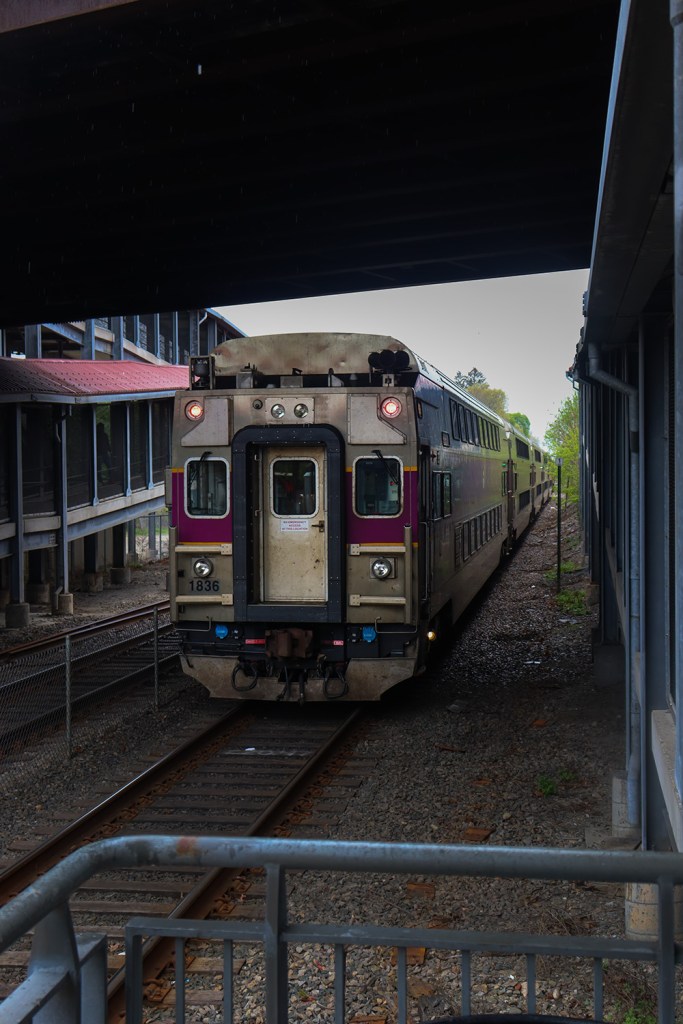
The Fairmount Line is the shortest of the MBTA’s 12 major commuter rail lines, and the only one to stay entirely within Boston’s city limits (minus a short stretch of about a quarter mile through northern Milton, which it doesn’t stop in). As a commuter service, it has significantly less frequency than local subway routes and requires a slightly more complicated process to board than simply tapping a metro card. As such, Fairmount has been the subject of several proposals to improve the city’s interconnectedness, perhaps most notably through the short-lived Indigo Line back in 2014.
I decided to make this journey on an overcast weekday in early May, and am taking the route in a bit of an odd way to make sure I can see every station it has to offer. The Fairmount Line runs about every 30 minutes, so I bought a day pass and will be walking between every other station to keep up. That means I’ll be taking the train between the first two stops, then walking to stop three, then getting back on the next train to stop four, and so on. This way, I get to cut out the sitting-and-waiting part of visiting each station and get a better feel for the neighborhoods this service connects.
This is my journey down the Fairmount Line.
South Station
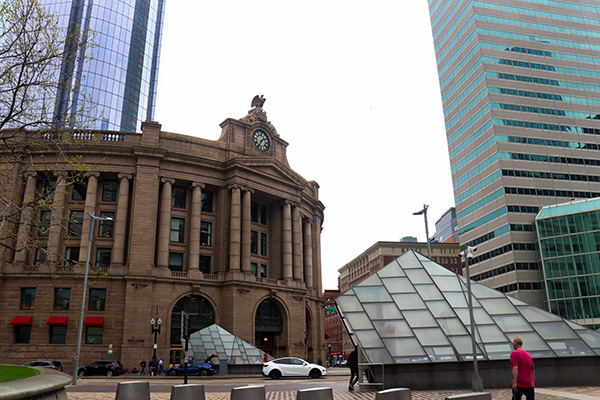
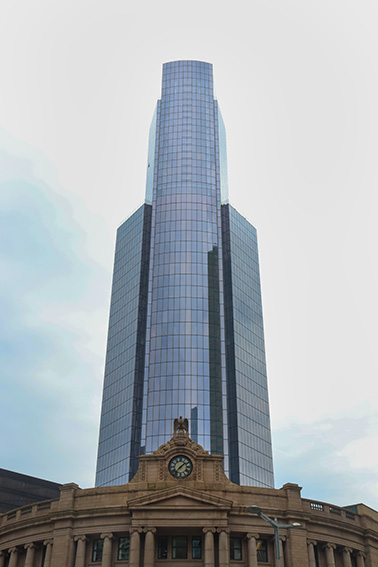
As with most of the Commuter Rail lines that go south or west, the Fairmount Line begins in South Station, right near the center of downtown Boston.
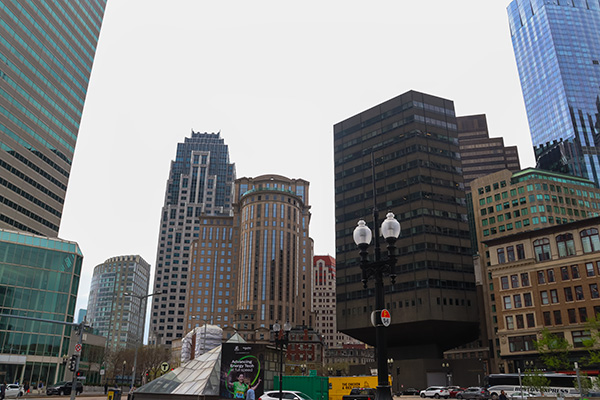
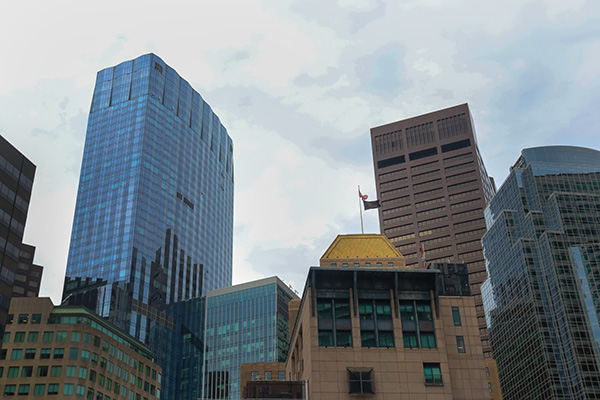
I’ve lived in the Boston area for my whole life, but it still never ceases to amaze me to be surrounded by 30+ story skyscrapers in all directions. And there’s no better place to feel that in Boston than in the Financial District, which South Station sits right next to.
While we don’t have much time to stay in the city center, we will still be seeing a lot of this skyline for the rest of the trip. For now, it’s time to catch our first train of the day.
Newmarket
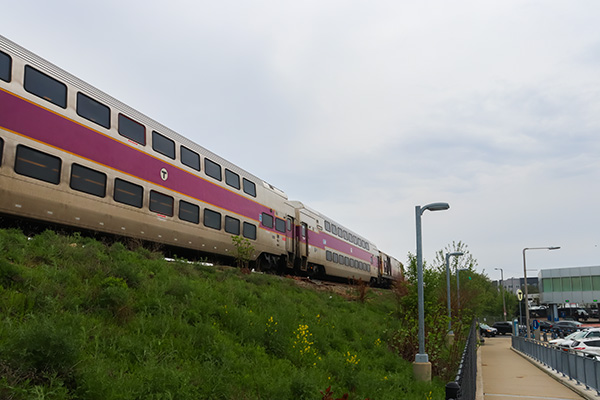
After a meandering trip out of South Station and through its quite sprawling railyard, we reach our first stop at Newmarket.
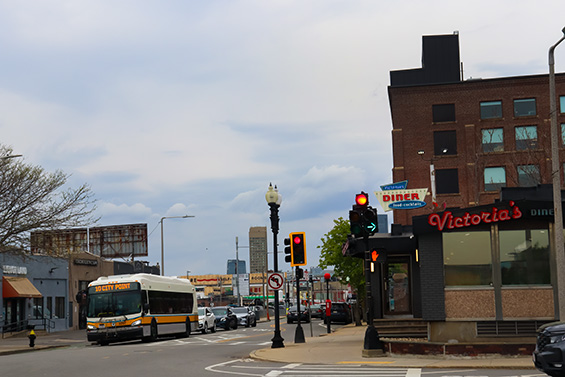
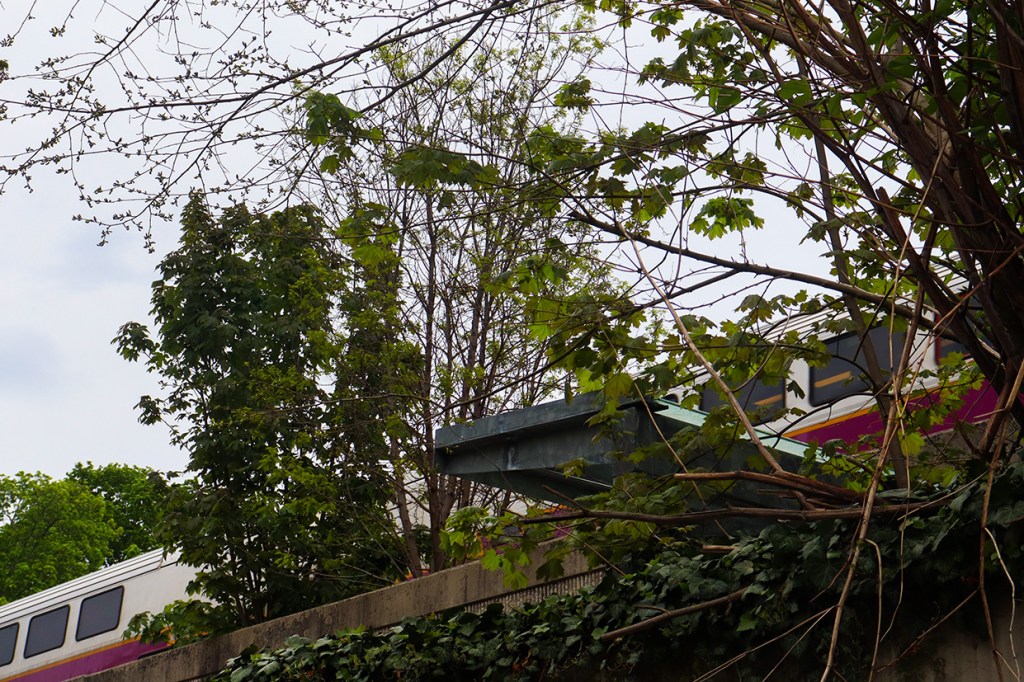
I sadly don’t have much to say about this stop. Newmarket Square sits just in between Roxbury, the South End, and Southie, but is unfortunately tucked within a largely industrial area without too much to see. There is a great view of the train continuing down the line at least!
Another day, I would like to return here and try out the beautifully retro-looking Victoria’s Diner, but now it’s time to start walking to the next destination.
Uphams Corner
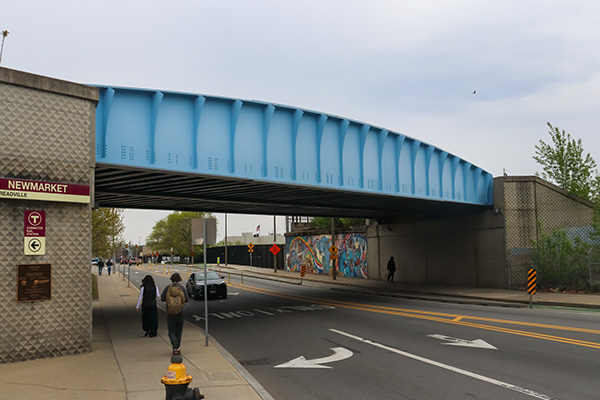
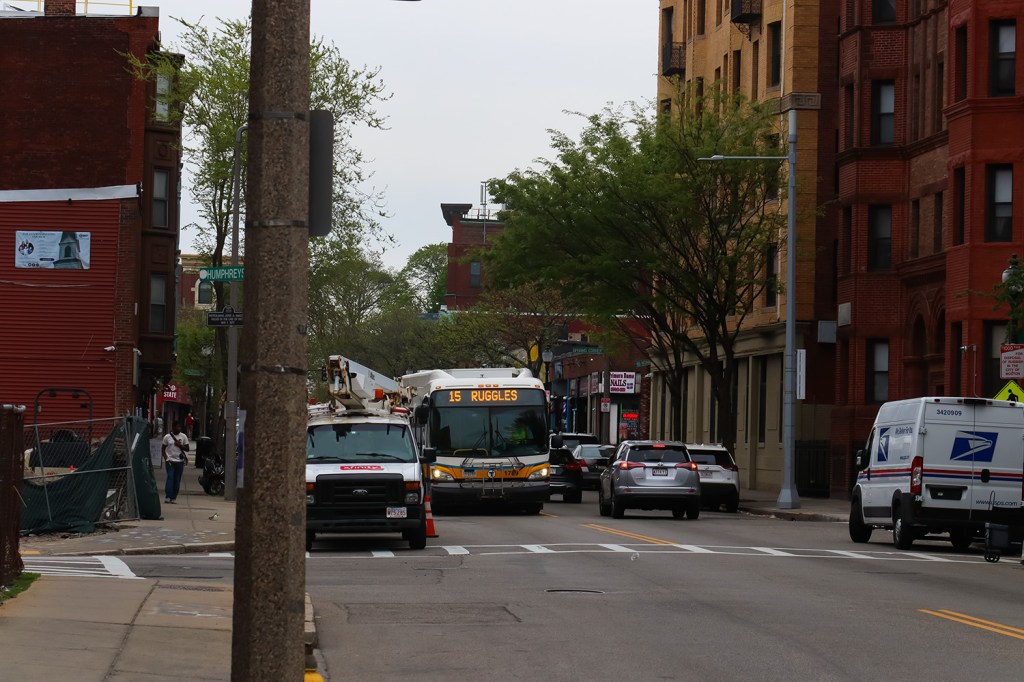
After a maze of winding streets through east Roxbury, I reached Uphams Corner.
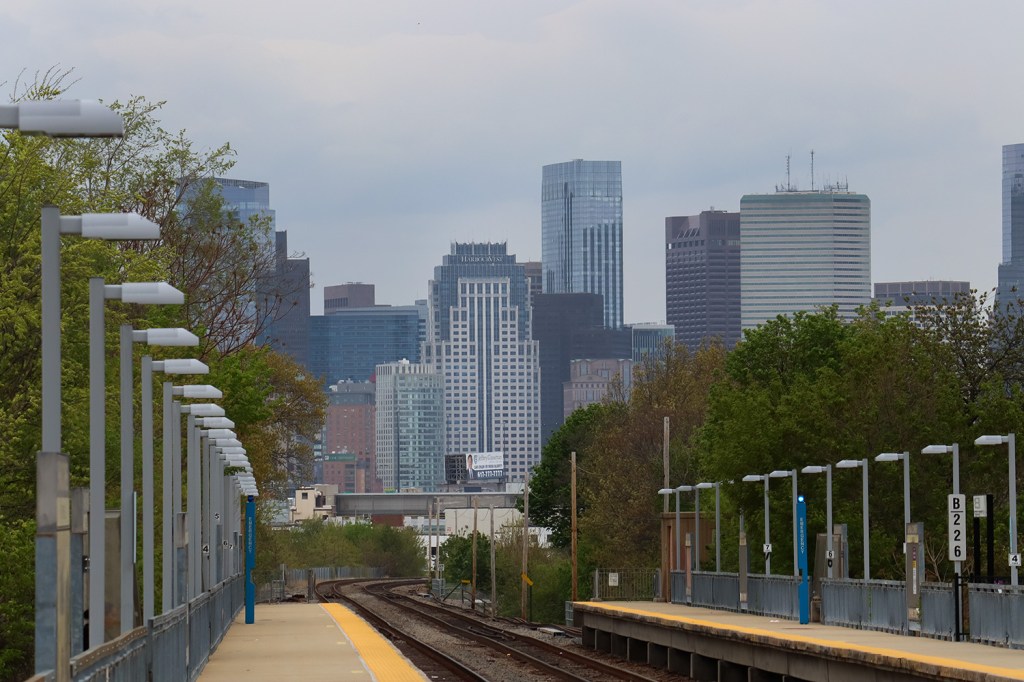
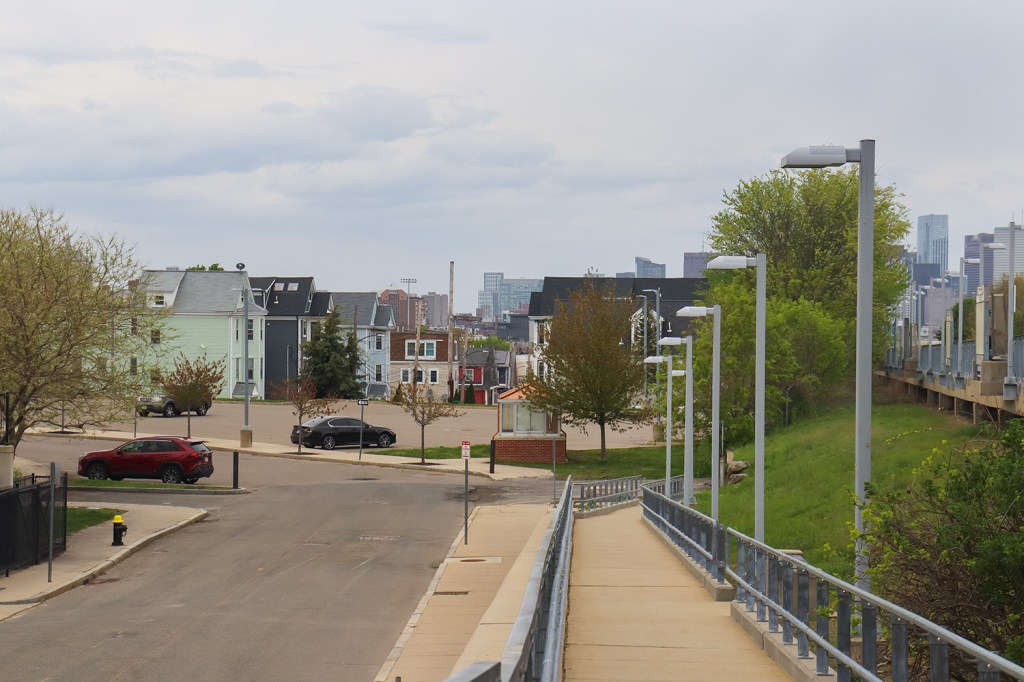
One of the first things I noticed at this station was its beautiful view of the city from the platform. It’s set on a hill raised above Dudley Road, and looks over the sea of multi-family homes at the entire panorama of Boston’s skyline. If you’ve driven I-93 northbound into the city, this is a very similar look, just without the mess of bridges and on-ramps (and without being in traffic, which if you know Boston, is always a win around here).
Down at street level, there’s a number of murals depicting the culture and history of the area, especially underneath the red steel bridge that the Fairmount line runs across. And looking south, Dudley Street is lined with many of the classic brownstones Boston’s neighborhoods are well known for.
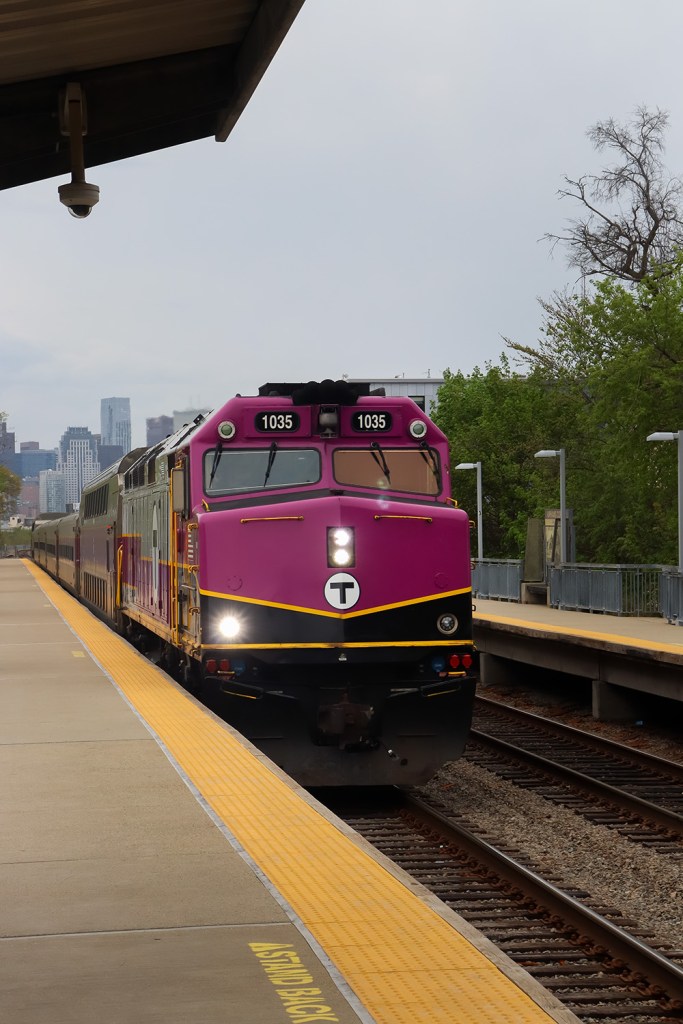
Looking back out over the skyline, another train rounded the corner for us to take past the rest of Roxbury and into the heart of Dorchester.
Four Corners/Geneva
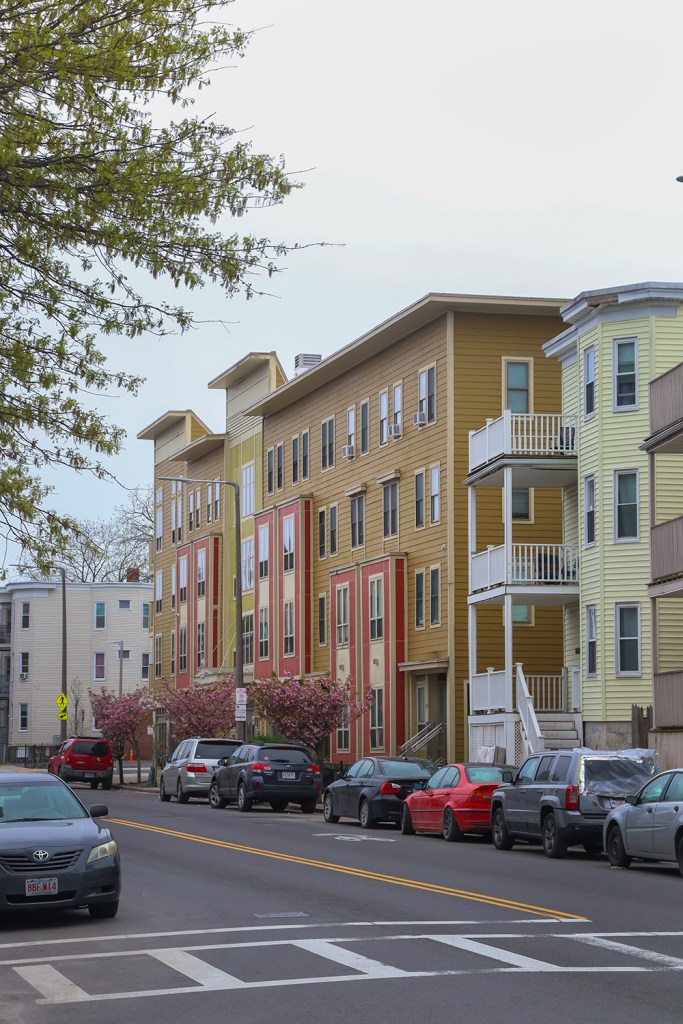
This stop was the first of a few on this journey that really surprised me. Located at an intersection with the titular Geneva Ave, Four Corners/Geneva gives the first hints that we’re quite close to Franklin Park, the largest green space in Boston. And with the station lowered from the road and lined with foliage, there’s some clear notes here that we’re closing in on the Emerald Necklace.
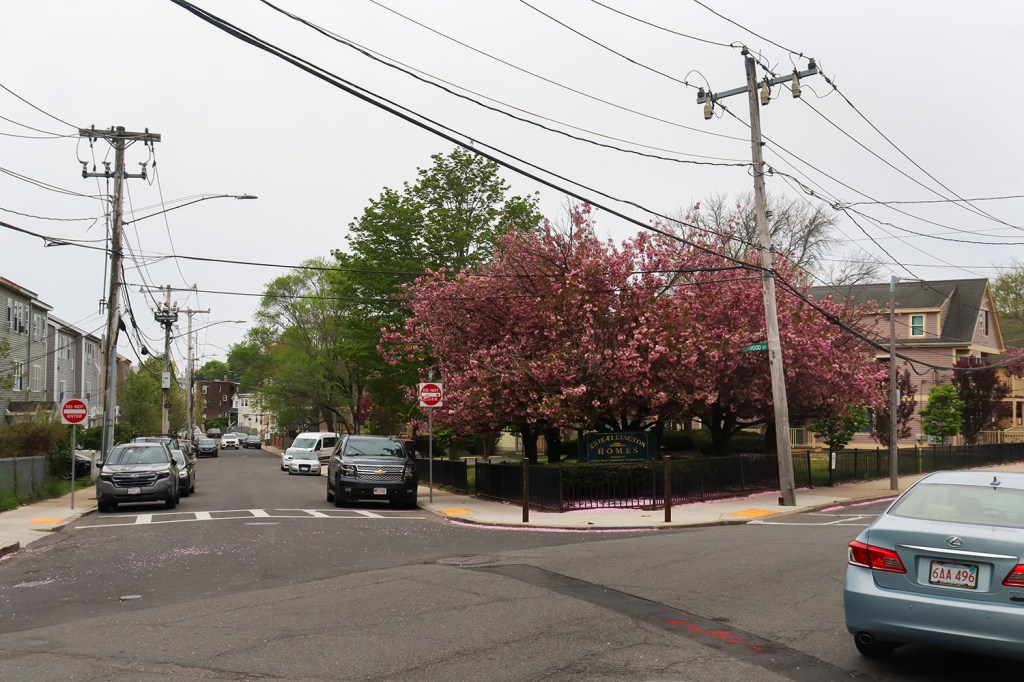
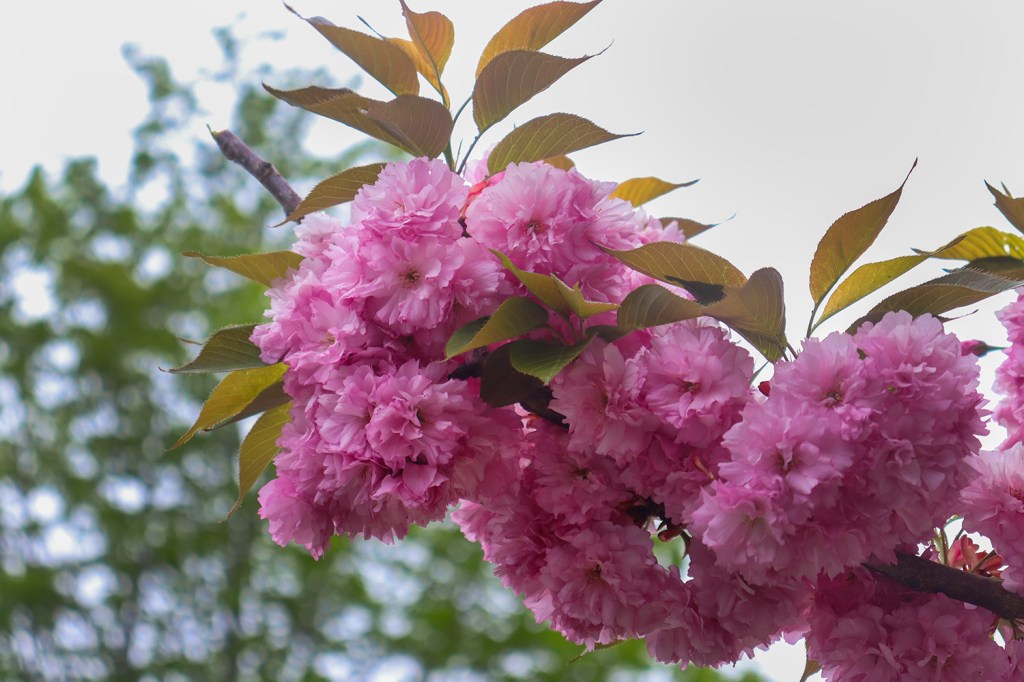
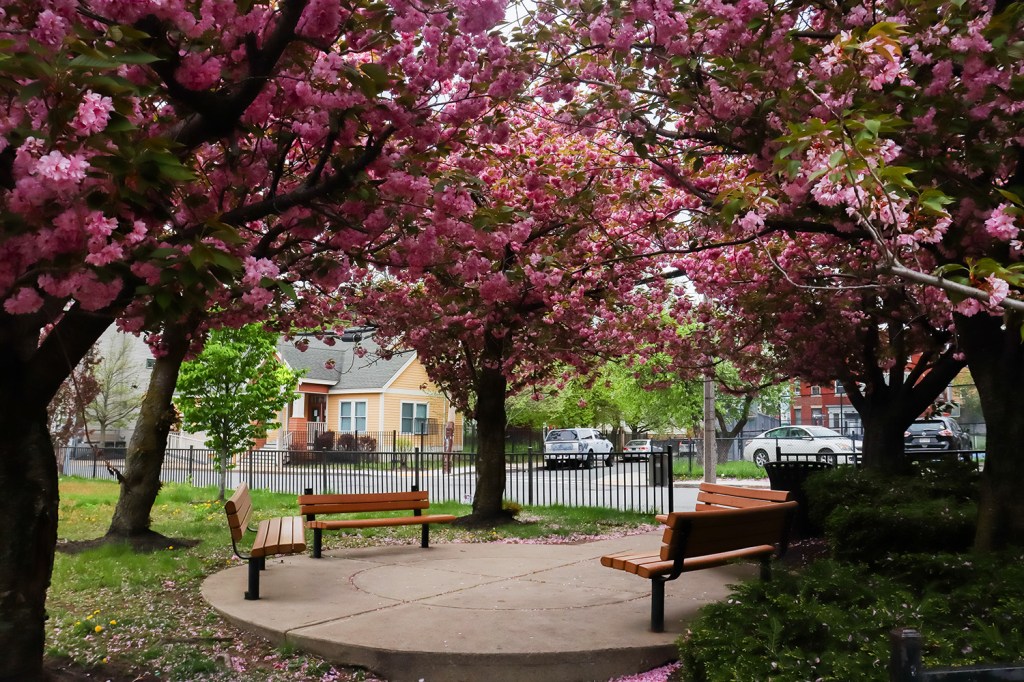
What I liked most about this stop, however, was what I found just a short walk from the station on Erie Road. I didn’t realize it until now, but it’s the height of cherry blossom season, and this small street corner is in full bloom. I sat here for a few minutes and enjoyed the scene before heading straight down Greenwood Street to our next stop.
Talbot Ave
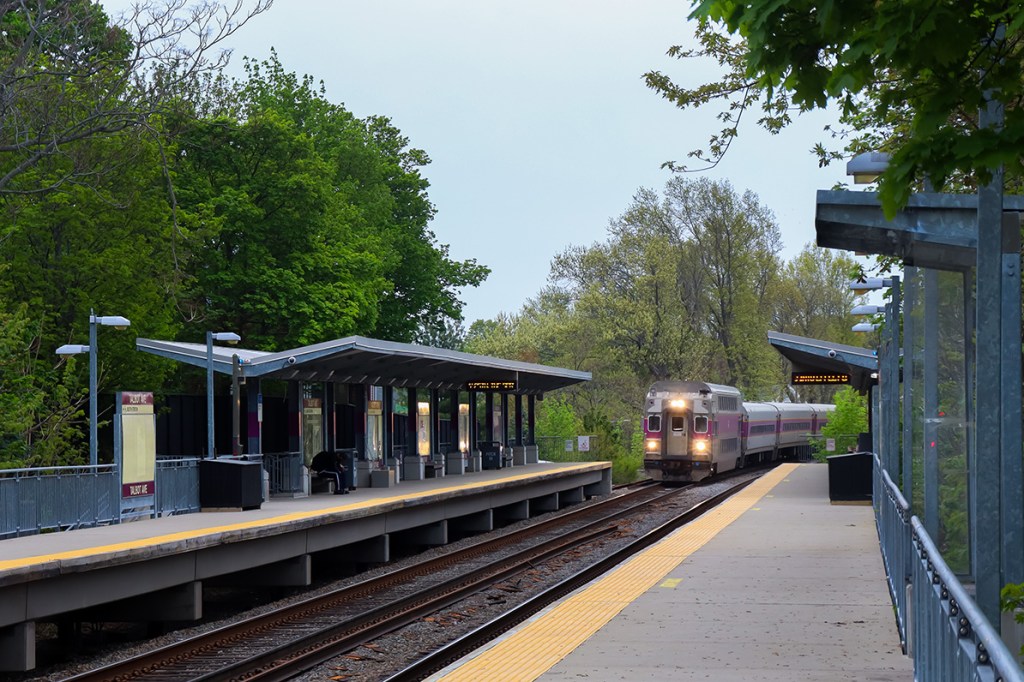
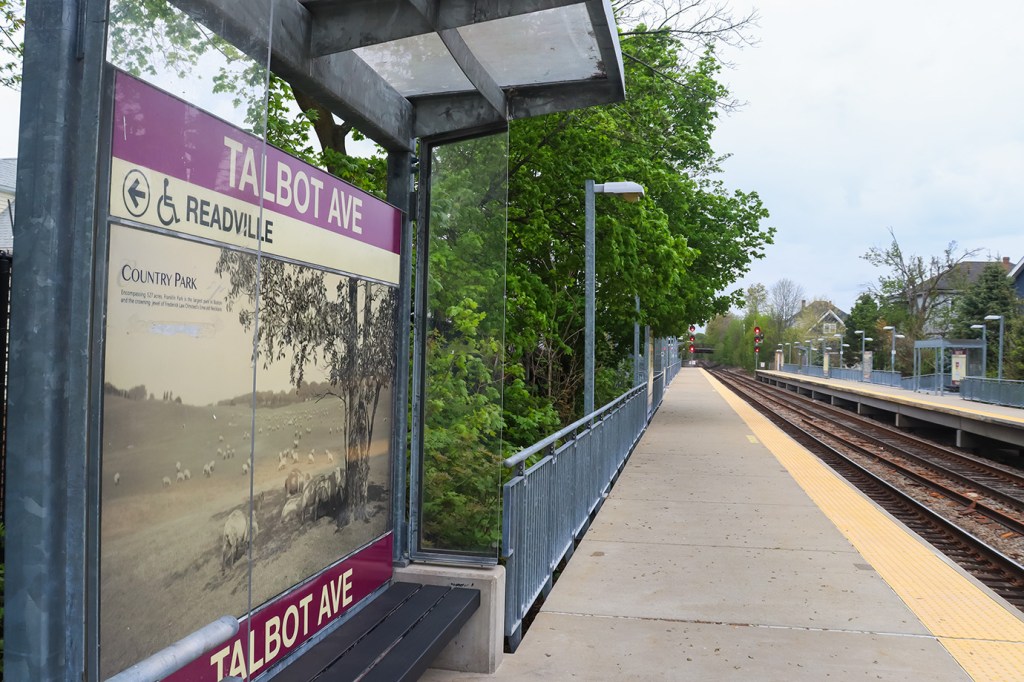
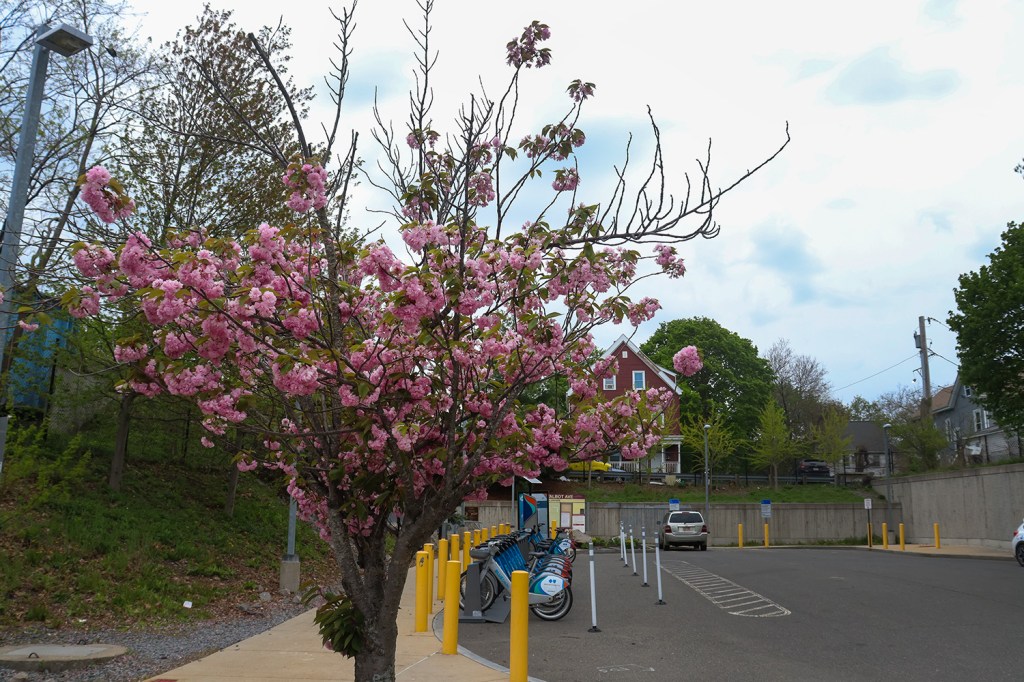
Talbot Ave continues the theme of being relatively forested for its area, and the station itself genuinely feels very disconnected from the rest of the neighborhood because of its surroundings. The ramp down from the station especially feels like you’re walking through a tunnel of pine trees back onto an urban city street.
I found it really interesting to be in a space right between two aesthetics, with the bright greenery surrounding dense residential blocks and function-first infrastructure. I suppose that’s a theme following most of the stops on this line, but here it really hit me more so than any other place I visited.
I watched a couple northbound trains pass before my next trip south arrived, and now it was time to move away from the Franklin Park side of Dorchester and into the neighborhood of Mattapan.
Morton Street
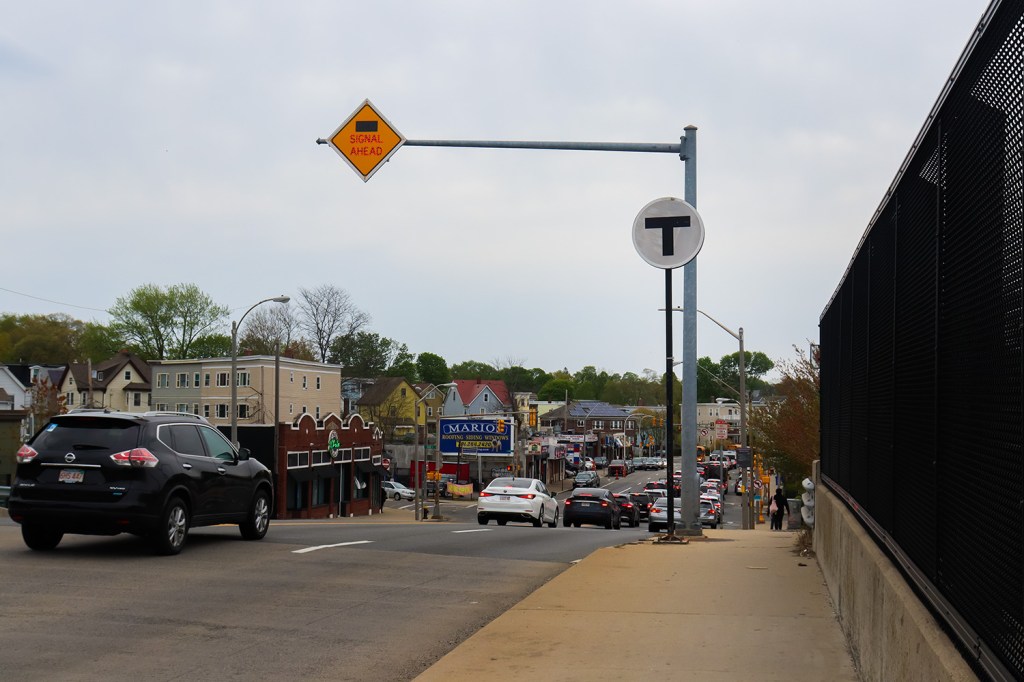
Up next is Morton Street, and this is a location I recognized immediately. When I was a kid growing up south of the city, we’d drive past here every time we went into Fenway to see a game.
It sits right on the border between Dorchester and Mattapan, and is mostly a commercial area with a few apartments and small businesses. This is definitely the least walkable station on the line, as though there’s sidewalks, the area seems designed largely as just a throughway for cars going to and from Boston’s western attractions.
Blue Hill Ave
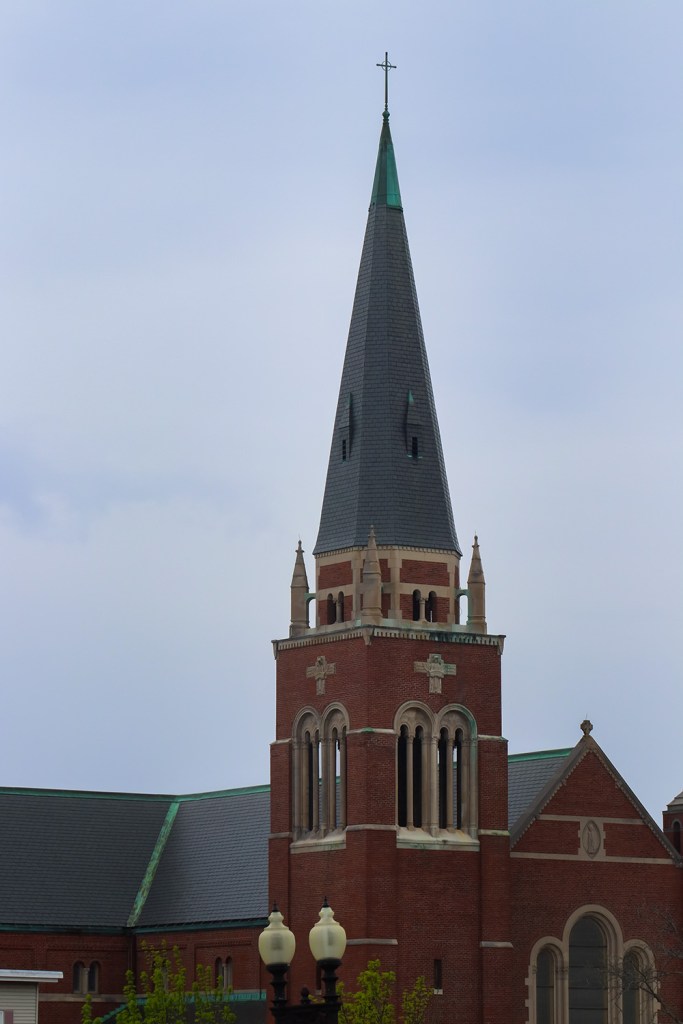
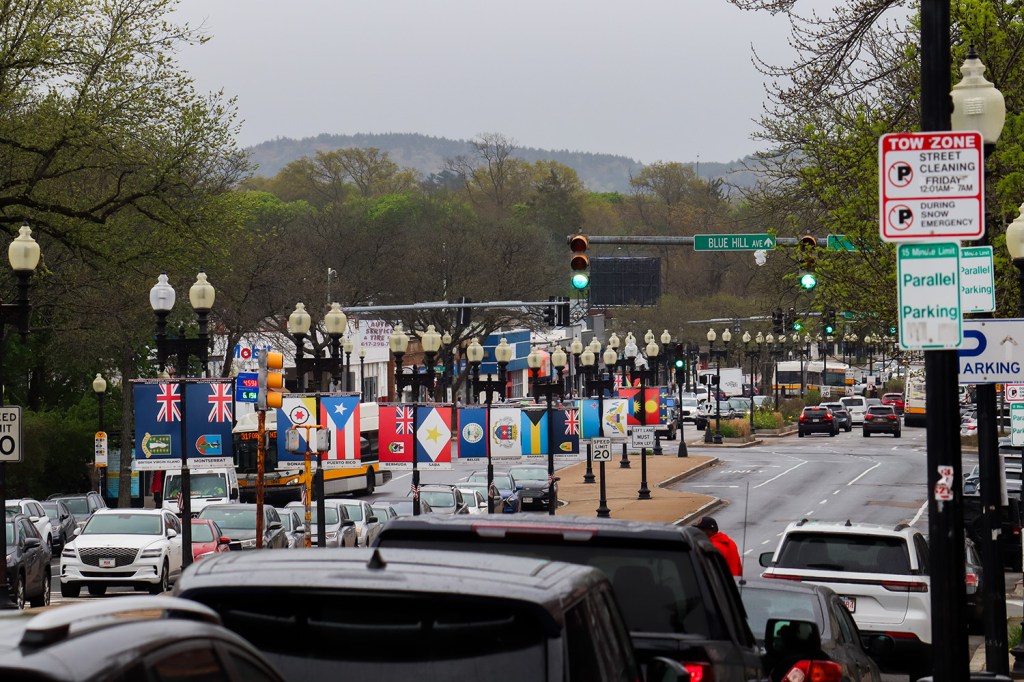
After about a mile of walking, I reached what I can definitively say is my favorite station on the Fairmount Line: Blue Hill Ave.
Just a few blocks away from Mattapan Square and the western terminus of the Mattapan Trolley (another historical piece of Boston’s network I hope to cover someday), the station overlooks the street all the way to parts of the Blue Hill Reservation in Milton and Quincy – giving us our first and only look at outside the city on this trip.
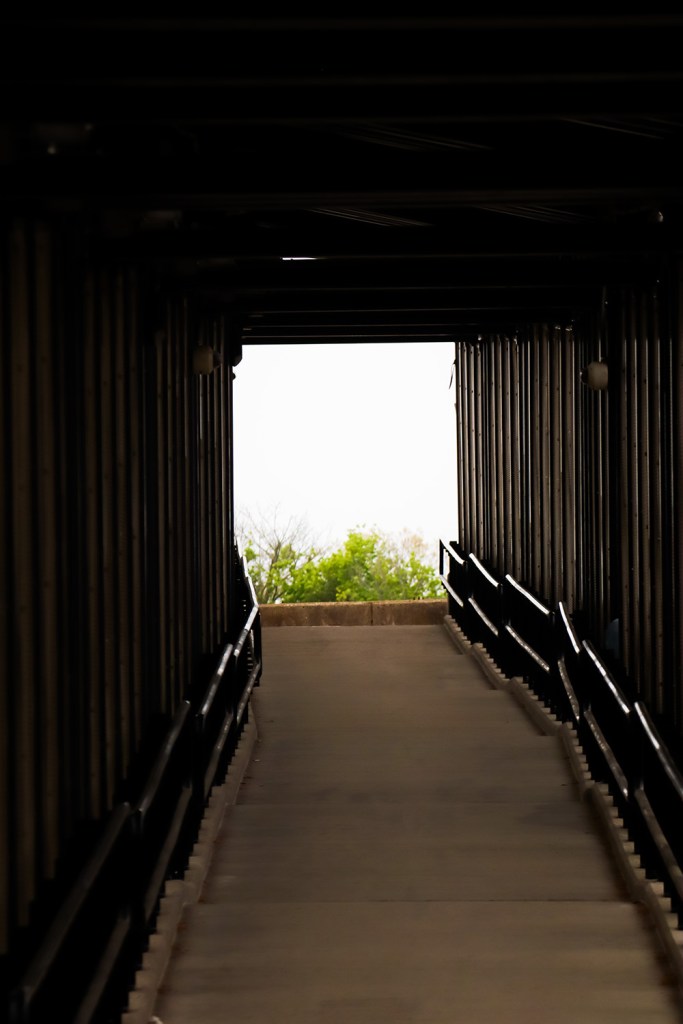
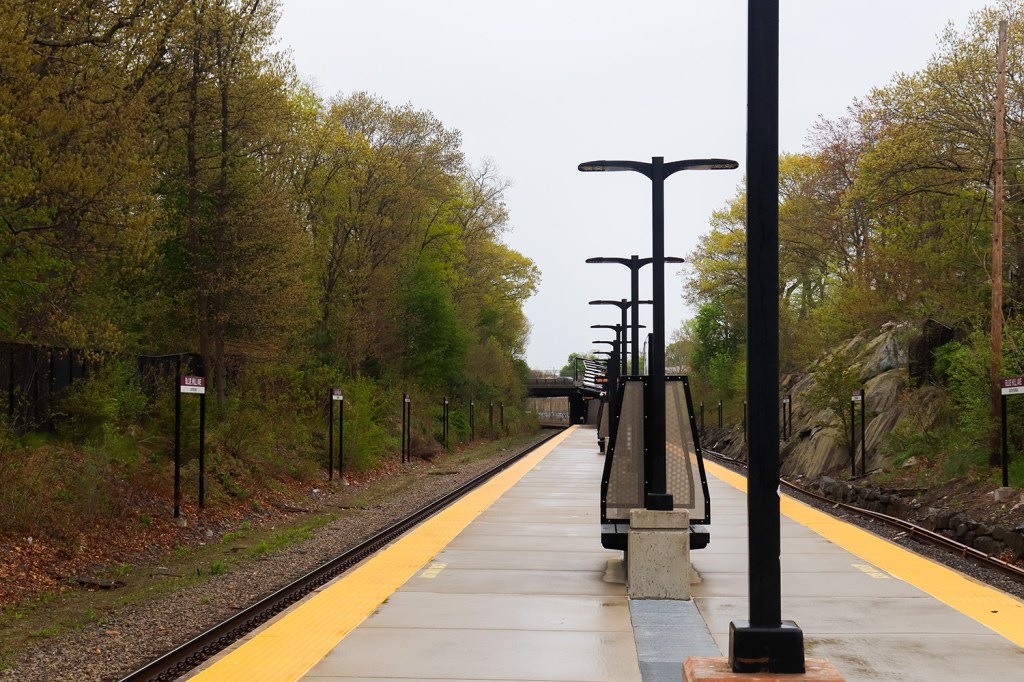
Blue Hill Ave station is entered from near the top of Woodhaven Hill through a very long and, as far as I can tell, wholly unique pedestrian tunnel for this stop. Down on the platform, the rails sit carved out of the rocks in their own quiet nook, completely disconnected from the two major streets crossing over at either end.
I did unfortunately experience a delay waiting for my last train of the trip. It was about 8 minutes, but I didn’t mind too much considering it gave me more time to sit and enjoy the environment. I’m happy to say that this was my only delay on this trip though, as every other train I took was right on time at its 30-minute interval.
Fairmount
And now we’ve reached the namesake of the line at Fairmount Station, marking the end of our trip across the city of Boston. From here, Fairmount Line trains may continue onto Readville and the rest of the Franklin/Foxboro Line, but this marks the end of the half-hourly service we’ve followed this whole way.
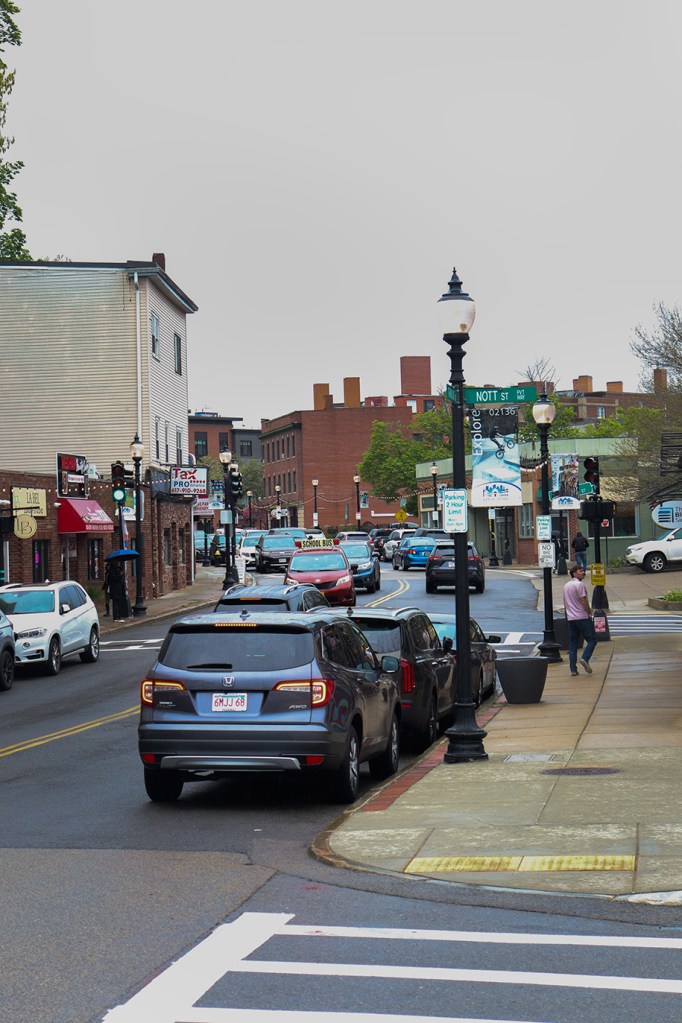
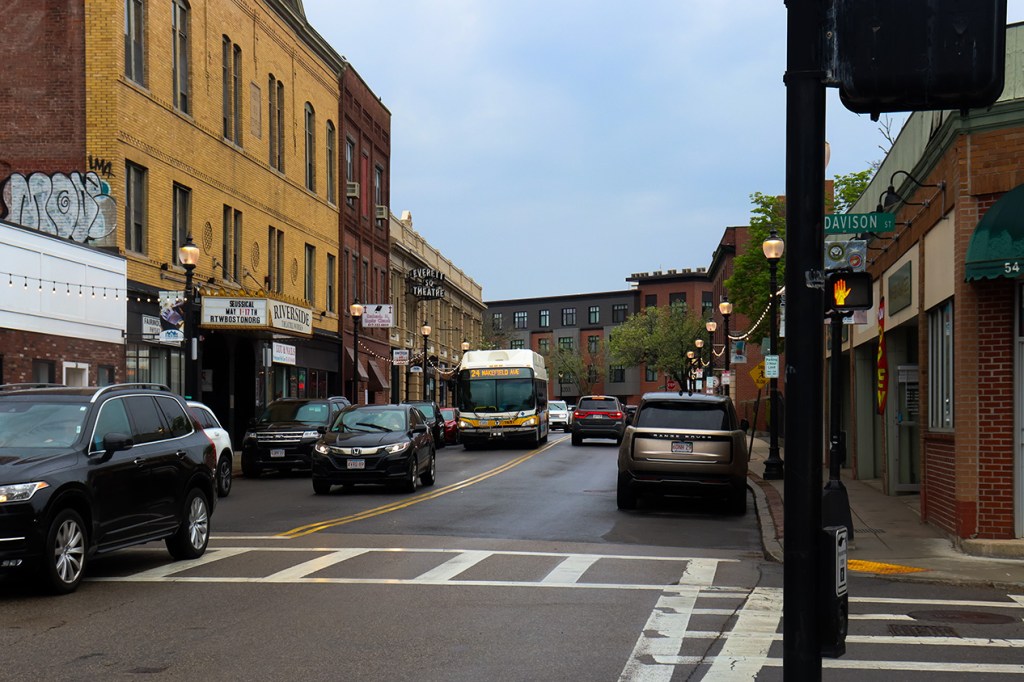
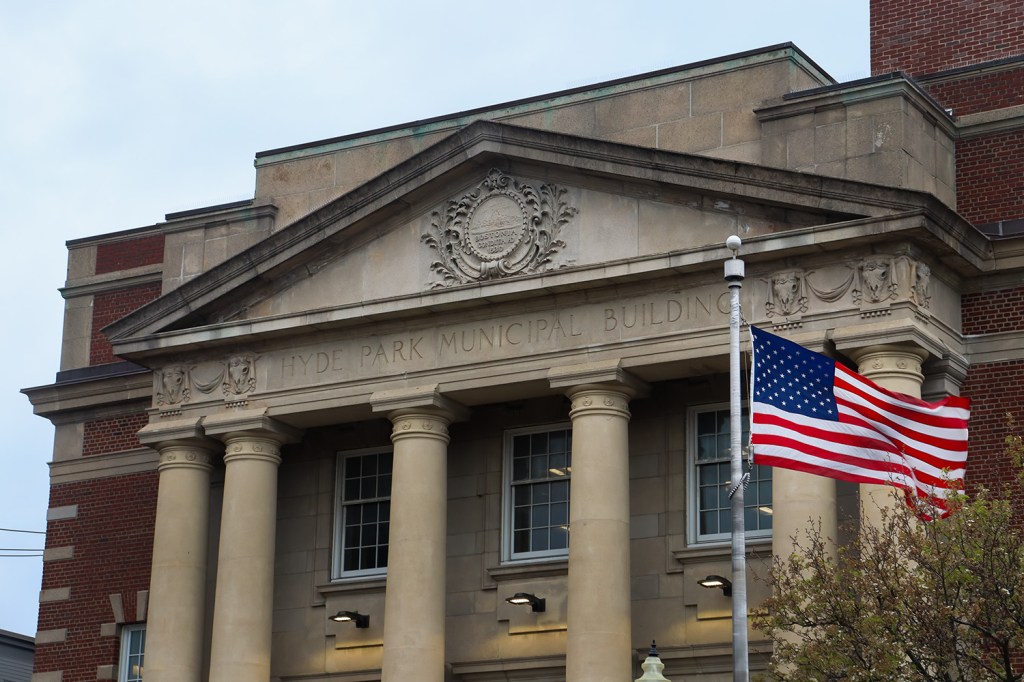
Fairmount lands right between the neighborhoods of Fairmount Hill and Hyde Park, the latter of which is easily accessed just outside of the southbound platform. It’s a lovely little neighborhood with several historical blocks still preserved, alongside small local businesses and a few restaurants. It serves as a great little walk to end today’s journey!
This line connects many communities, some with few or no other forms of transit available, with a decently fast commuting option in and out of downtown. But with a frequency of only every half hour, even during peak hours, it could definitely still be much improved, and hopefully will see some come in the next few years as more engineers and activists work to address the issue. But for now, the Fairmount Line as it stands gives us a great look through the diverse urban heart of the city, and is a strange and unique little service that keeps a certain charm all its own.
This is a first for One Road to be focusing entirely on a public transit route instead of one drivable road. If you enjoyed this change of pace, let me know! I have a few other trips like this in the works.
As for our next post, we’re going back on the road to visit a scenic part of central New England that I’ve never been to. Expect a short cameo as well from a state that’s yet to officially be seen on One Road!


Leave a Reply