Nestled in the southeast of New Hampshire, between the Connecticut and Merrimack River Valleys, lies the Monadnock Region. While the state is most famous for its White Mountains in the north and short but beautiful coastline in the southeast, this region carries its own kind of landscape that can’t be found anywhere else. Monadnock is rich with lakes and rivers, and borders Vermont’s Green Mountains to the west, but is far less visited than its more famous counterparts since it lacks a direct interstate connection.
NH Route 123 is one of several state highways to serve Monadnock, but perhaps the only one to connect one side of the region to the other on a purely local road. There’s no express byways or exit ramps to be seen here. It’s been the subject of a couple of similar travel blogs in the past due to its great “quintessential New England” scenery, but as far as I can tell, no one has yet taken it from border-to-border between Vermont and Massachusetts. Today, we’re changing that!
I drove this road on a rainy Thursday in mid-May, which led to a very unique view of the area. What was lost in views of Monadnock Mountain and the muddying of local hiking trails, was absolutely made up for between the fog-covered woodlands and the motion of river rapids in nearly every quiet town I went through. This isn’t a day most people would go to explore Monadnock, and there’s absolutely something beautiful in seeing the region in this light.
This is my journey down NH Route 123.
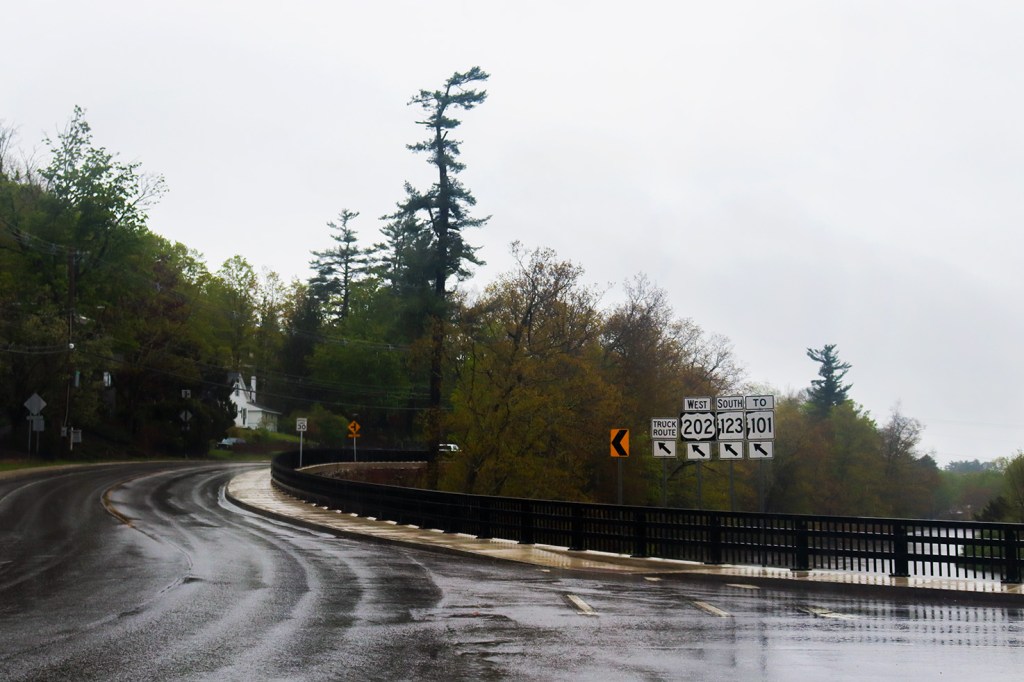
Westminster Station & Walpole
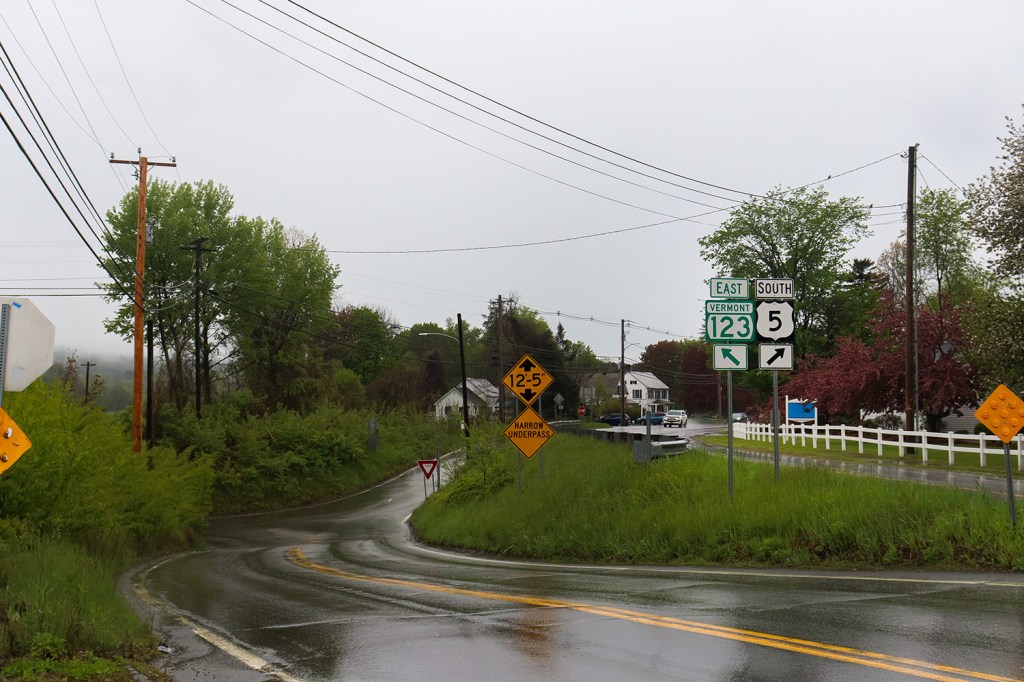
The northern terminus of NH 123 immediately offers a strange little geographical anomaly. The route starts across the Connecticut River in Westminster, Vermont, and they have their own signage for it and everything! VT’s portion only runs about a quarter-mile, connecting US-5 to a bridge into New Hampshire. Many states would simply forgo signage and technically have the route end at the state border, or allow the other state’s signage to persist until the route ends. This leads to Vermont Route 123 being one of the shortest state routes in the country, as well as a one-of-a-kind green route sign to see.
The geographical weirdness doesn’t quite stop there though, as after crossing into New Hampshire, NH 123 South turns north for a solid seven miles until it gets through Alstead. I’m still not entirely sure why this route is labeled with a north-south naming system, as it is definitely wider from east to west.
No matter what the confusing naming convention was meant for, the views along this stretch are amazing in this weather. The fog rolling in over the hills on the east side of the Connecticut River Valley opens up just a bit to give a faint hint of what’s to come down the road.
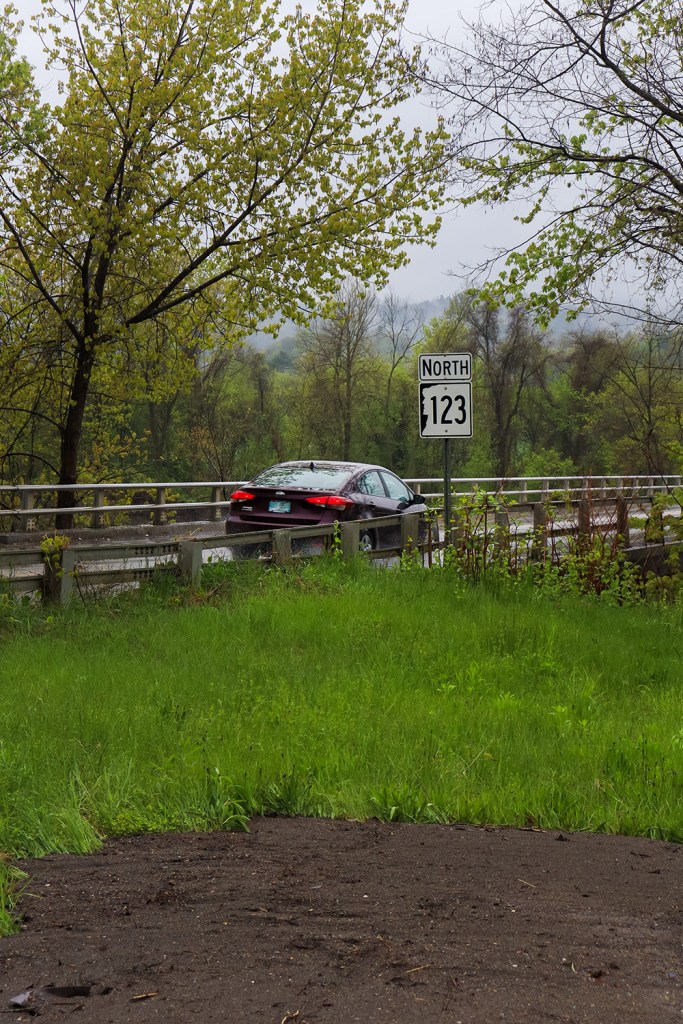
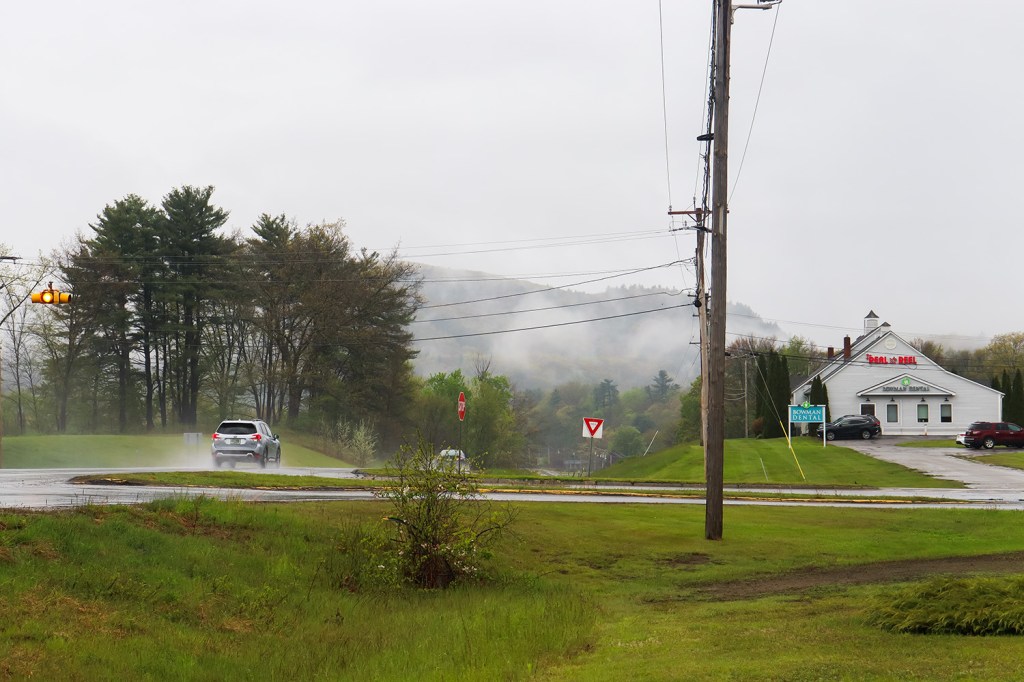
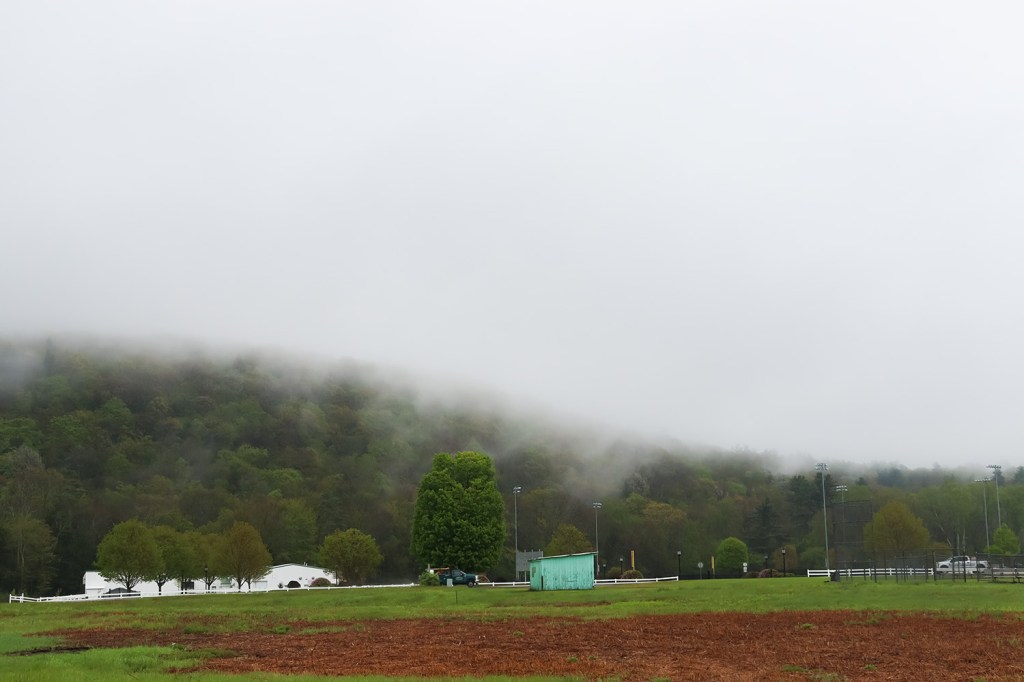
Alstead
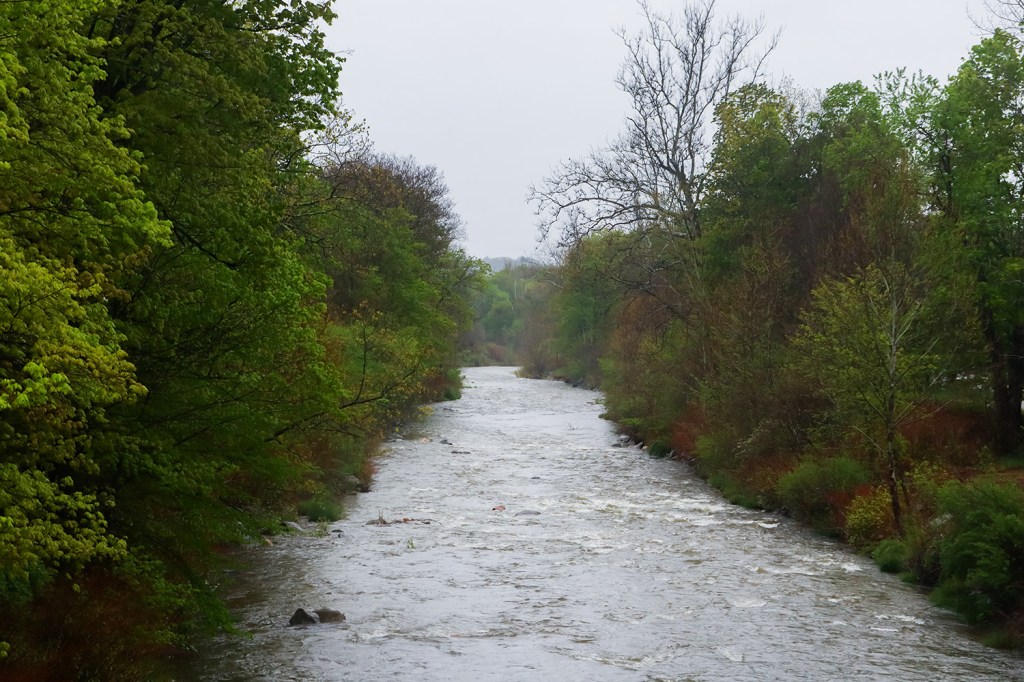
The first town center the road stops in is Alstead, a small village on the bank of the Cold River. Here, the first hints of Monadnock’s mill history begin to show themselves, as this town was once called “Paper Mill Village” and its riverside park has maintained that name through today.
From here, Route 123 begins winding east into the hills following Warren Brook. This will be the last town center I see for a while, as the next 25 miles or so go through the rural woods of several nature conservancies.
Marlow
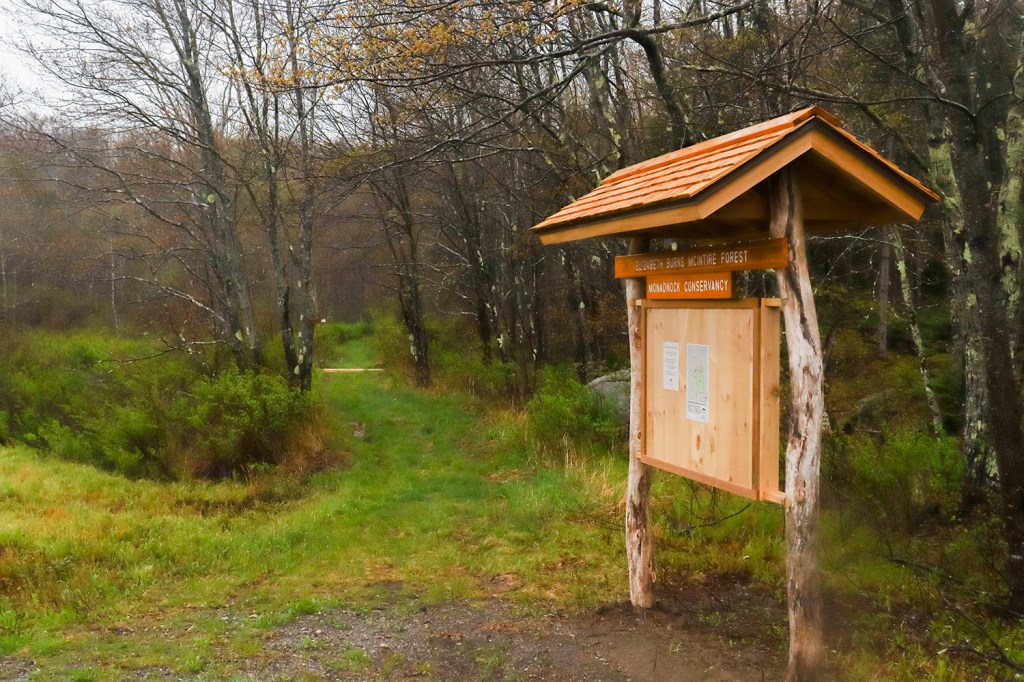
One such piece of reserved public land is the Elizabeth Burns McIntire Forest, owned by the Monadnock Conservancy who oversee most of the nature trails around the region.
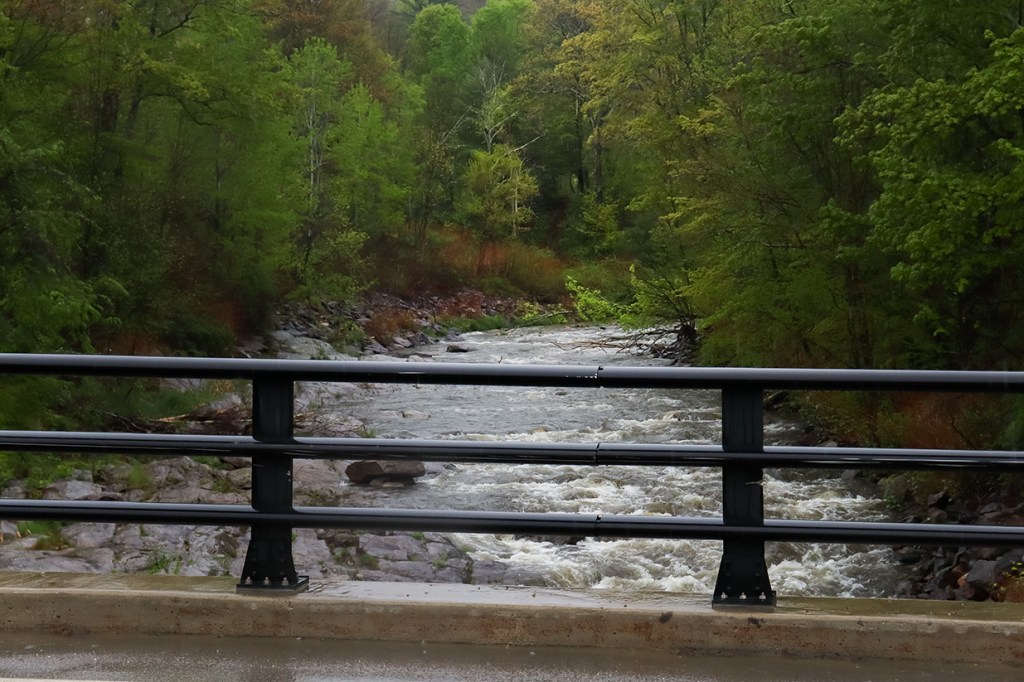
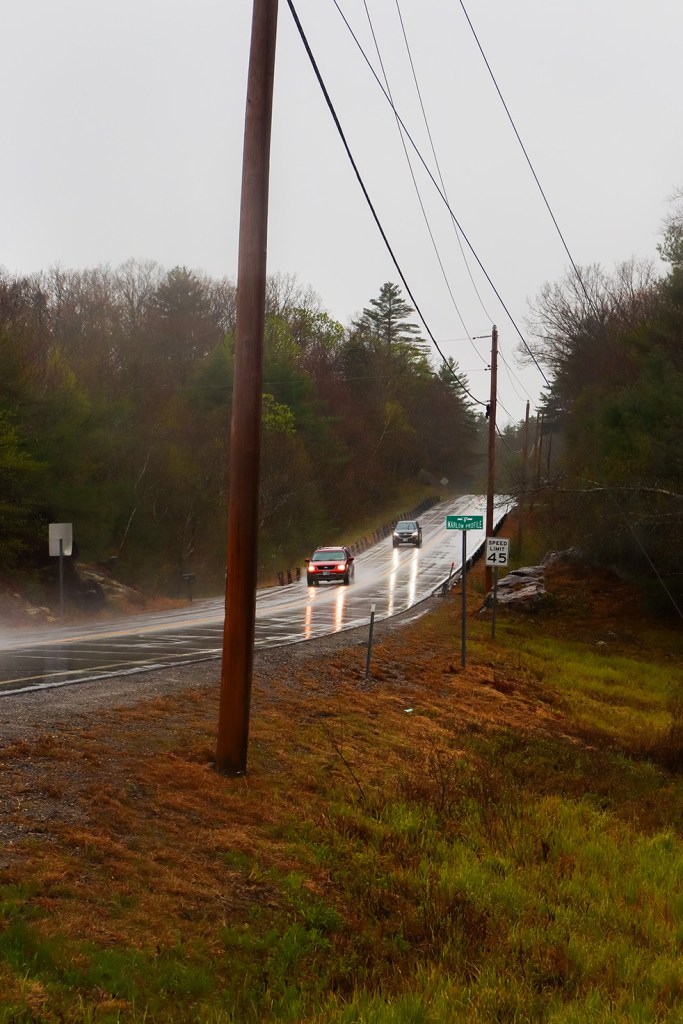
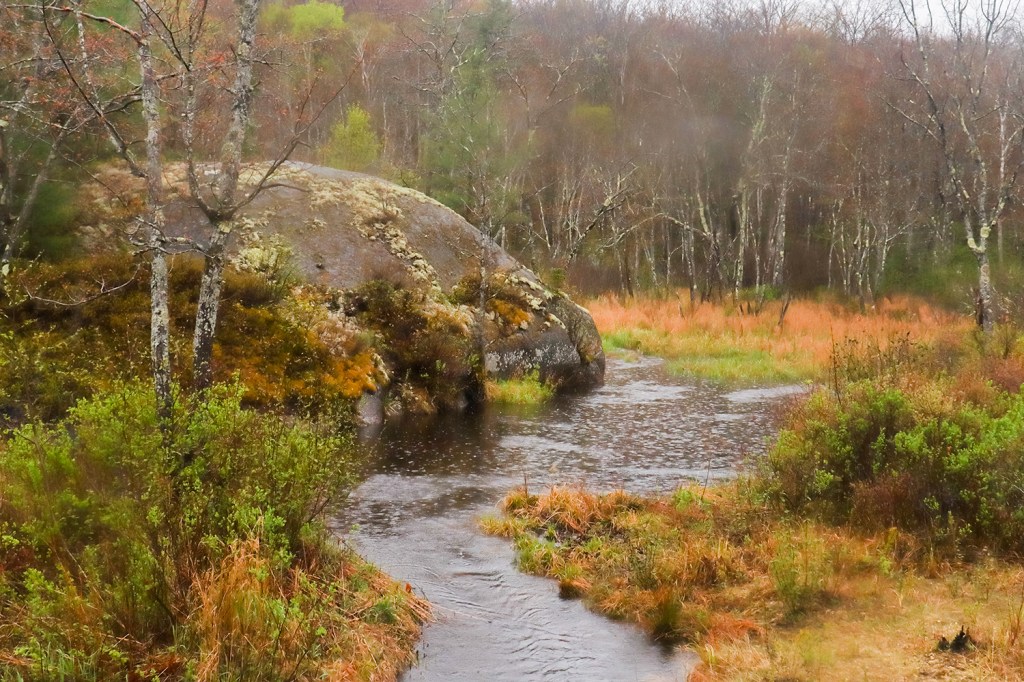
The rain was getting pretty heavy here, but under the cover of some trees, it wasn’t too hard to get out and look around for photos. Though the trail itself was flooded out, the small clearing by its entrance gave some great views of its own. Across the street, a marshy section of Butler Brook housed a series of babbling flows and couple herons (who unfortunately flew off as I approached).
Once the rain got hard enough, it was time to head back into the car for shelter and a trip further down the road. Luckily, this spot marked the heaviest the rain got during the whole trip.
Stoddard
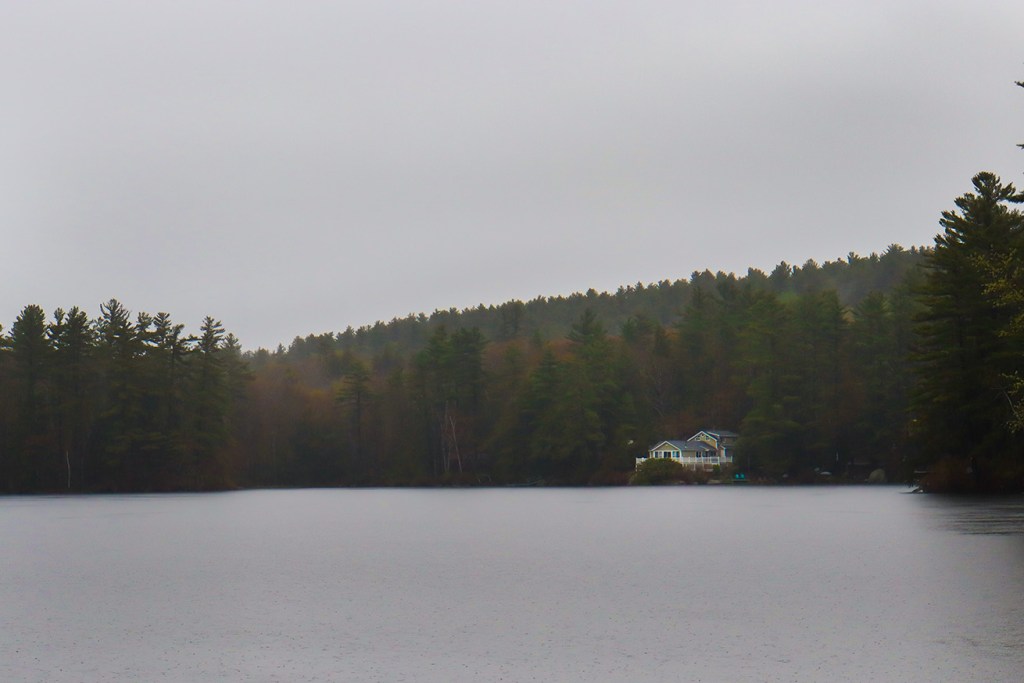
After about 10 miles of winding through forest roads and going past the occasional small group of houses, there was something extra special about rounding a corner in Stoddard and arriving at the Highland Lake Boat Launch. While there were plenty of lake views to be seen from the road up until this point, this was the first to have a place to park, get out, and really take in the scenery.
The rain was beginning to lighten up a bit, and the fog cleared enough to get a perfect view to the other side of the lake. It was pretty clear no one was taking a boat out on the water in this weather, so I decided to stay here for a few more minutes than usual and enjoy it before heading back on the road.
Hancock
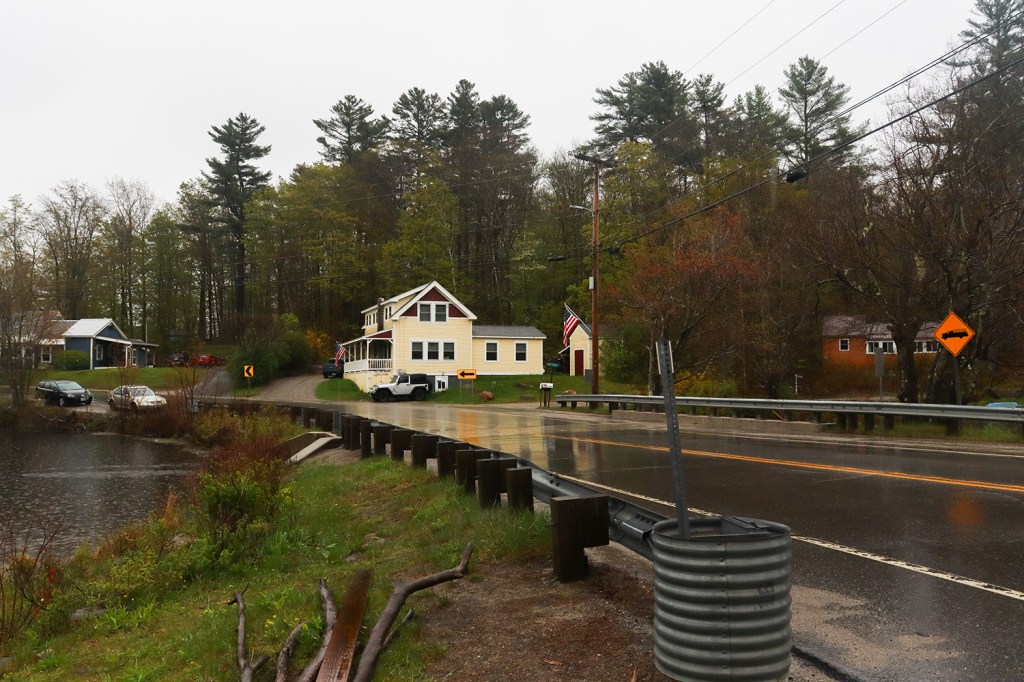
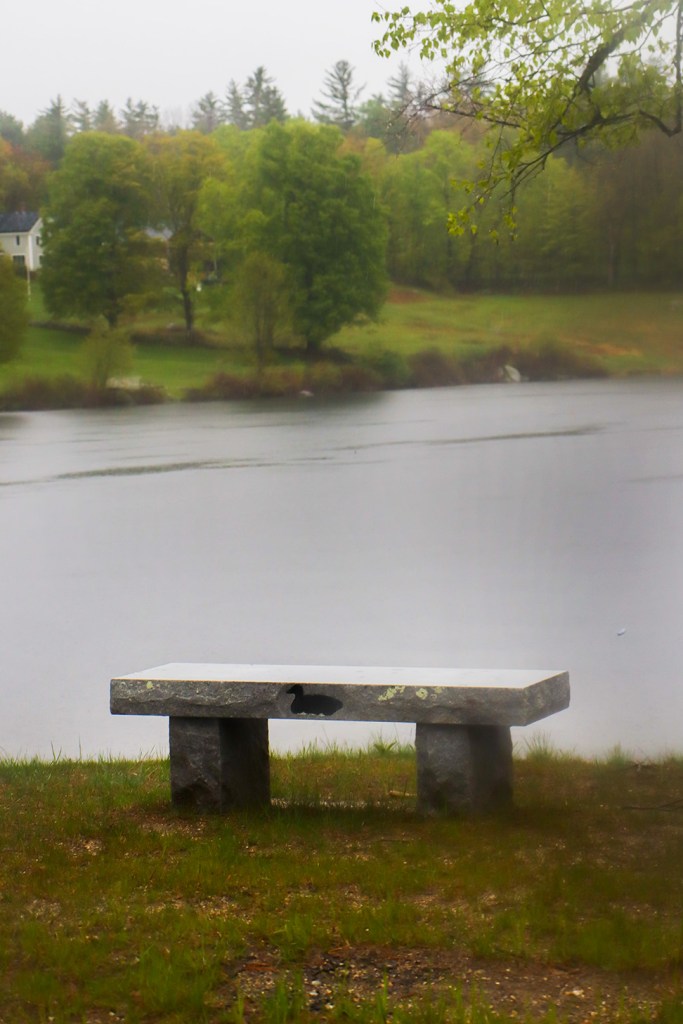
Hancock is the first town center Route 123 goes through since Alstead, and like Stoddard, there’s a great place to park right by the boat launch on Norway Pond.
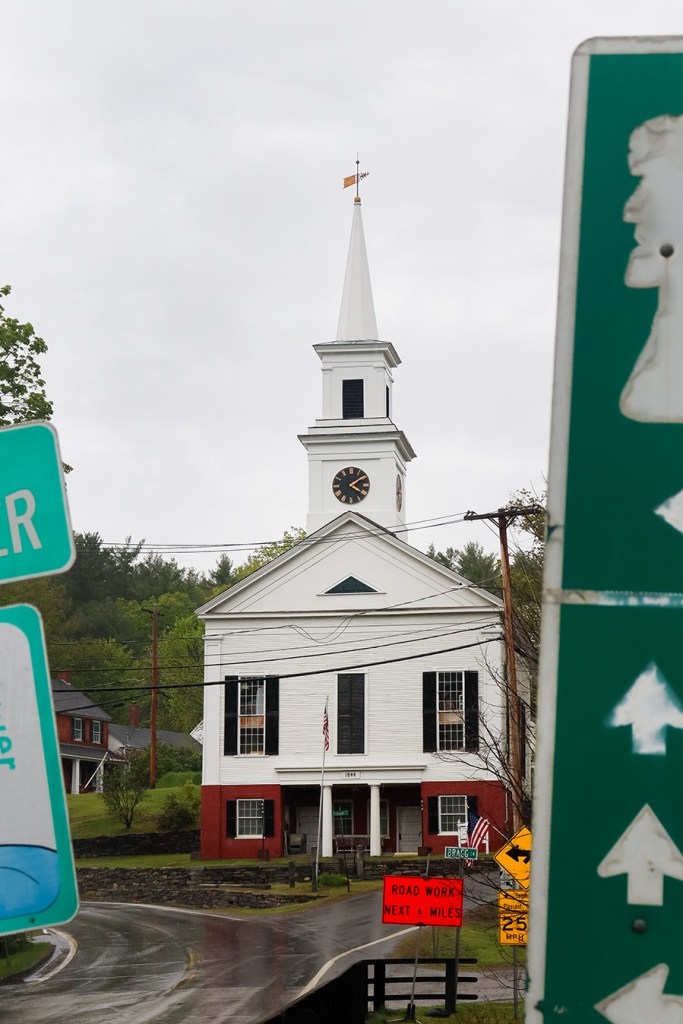
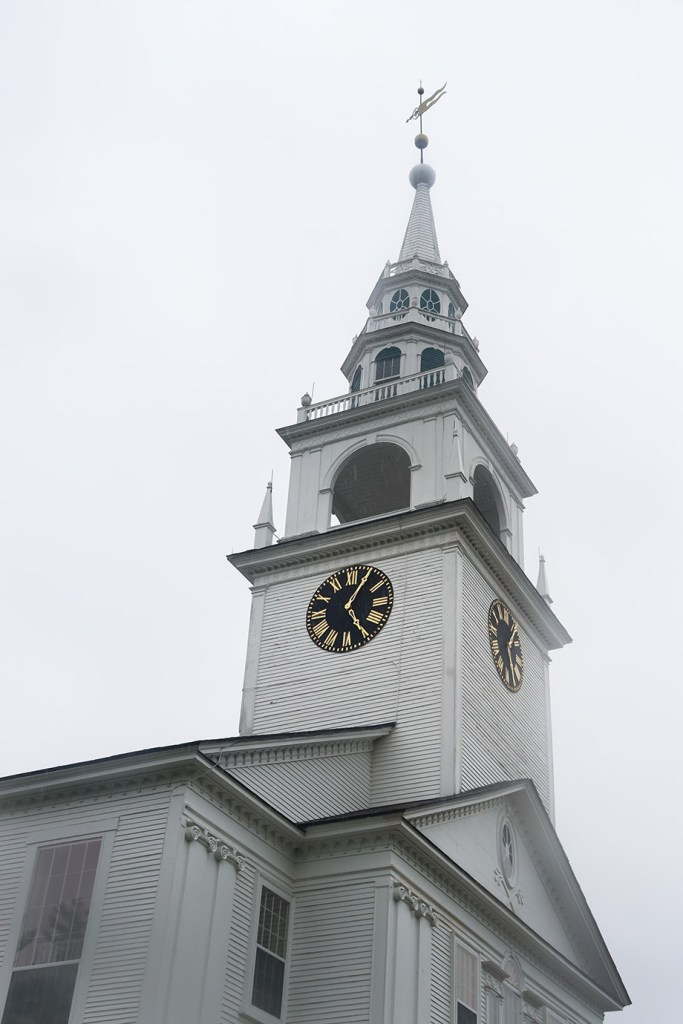
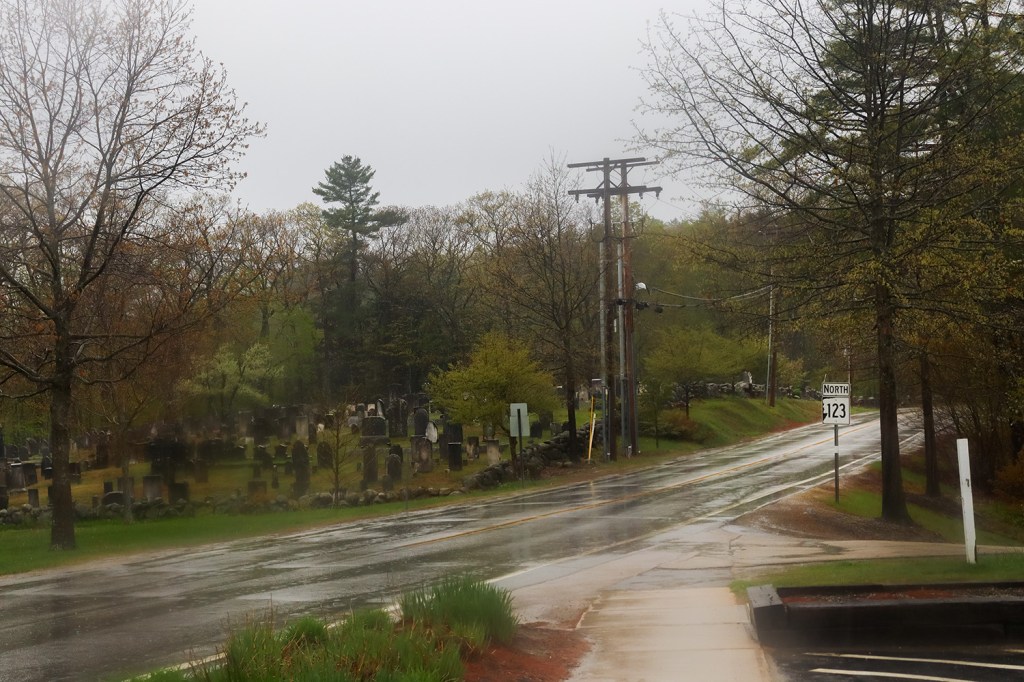
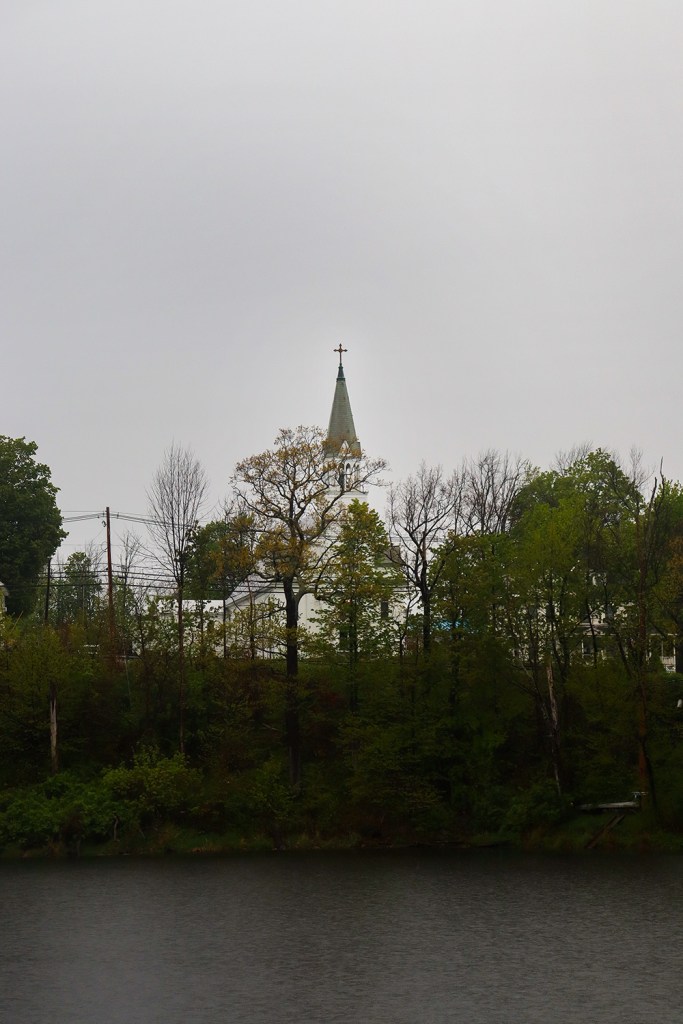
The launch is right next to the town’s waterside post office. From here, Hancock has all the notes of that “quintessential New England” vibe so many people look for around here – a gazebo on the town common, a historic church steeple rising above the trees, and even a series of colonial-era rock walls around the cemetery and some nearby houses.
No one else was out exploring the town center in the storm, so the whole town had a sort of eeriness to it. But I found that that just enhanced its beauty during the short time I got to walk around the common. Only one or two other cars even passed through the town during this time, so it was just me and the quiet of the raindrops.
A little ways south of Hancock, Route 123 connects up with the Contoocook River, which will lead down to the largest town on our route.
Peterborough
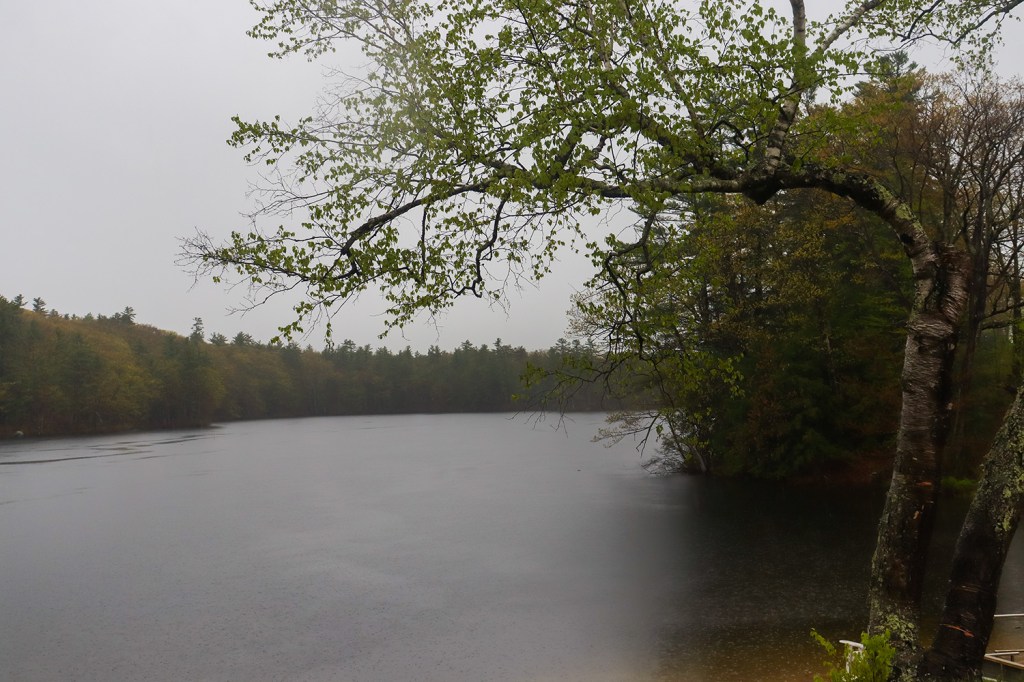
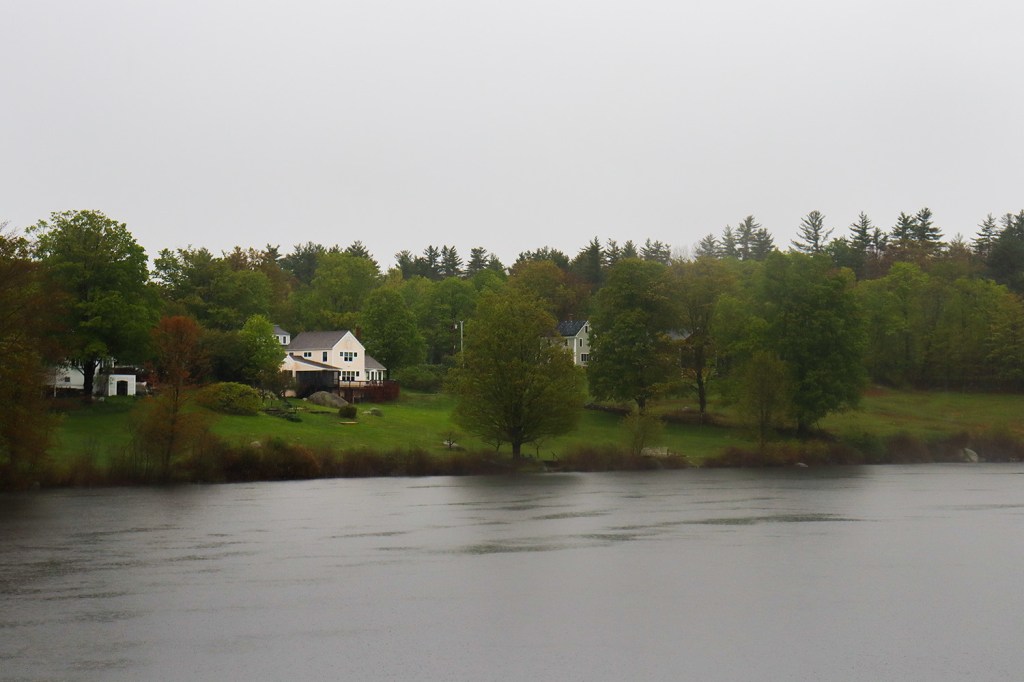
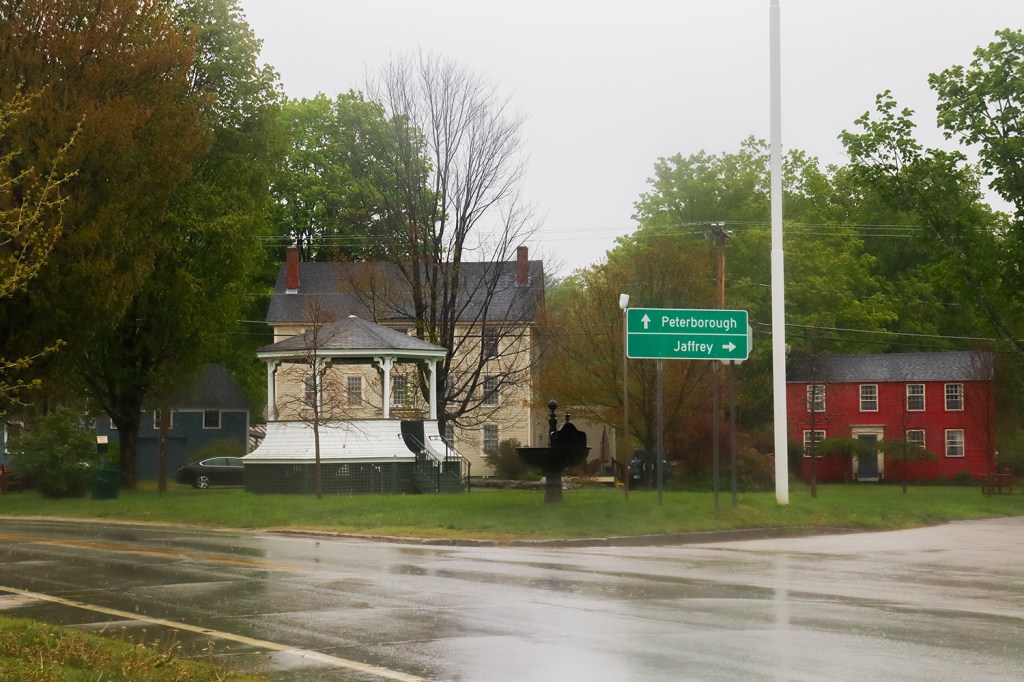
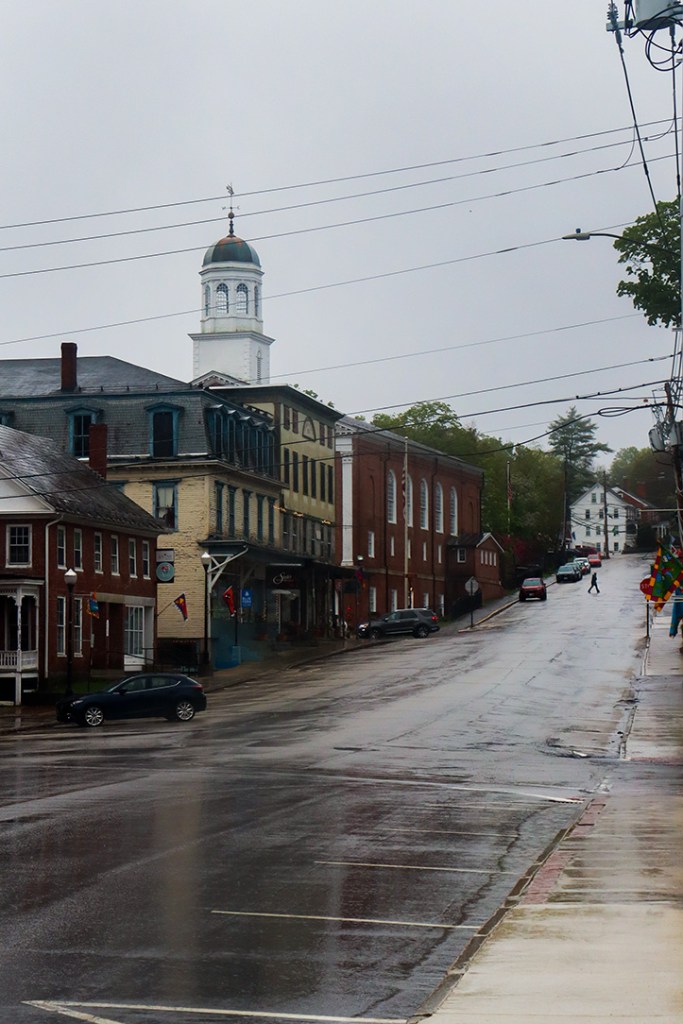
Peterborough is an absolutely stunning riverside town that feels like such a tight-knit community in contrast to the sparse house groups and little villages we’ve seen so far.
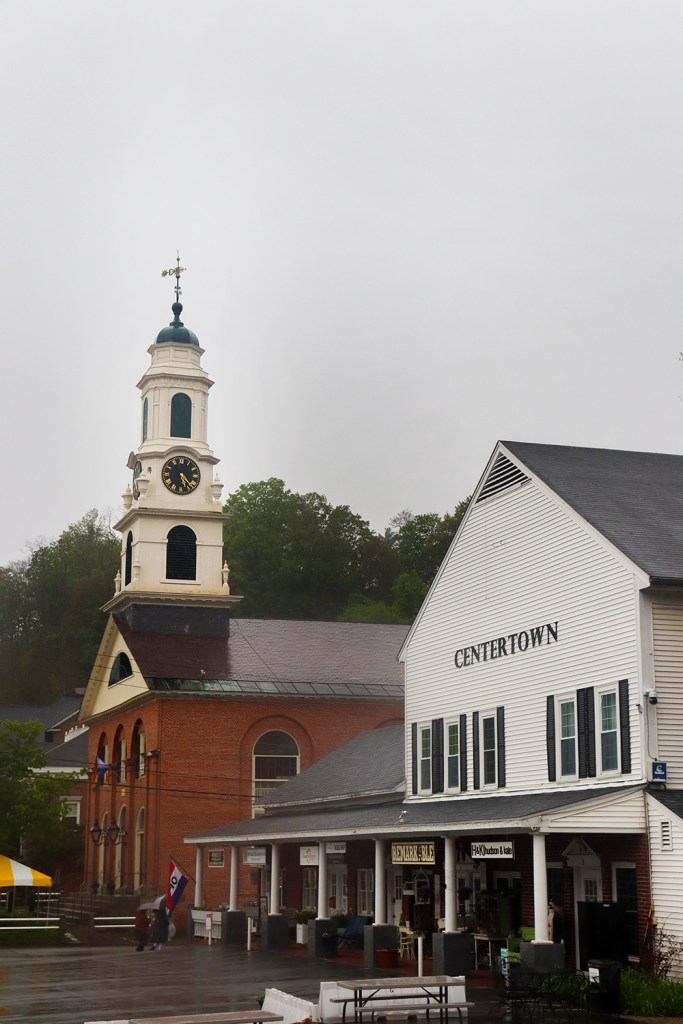
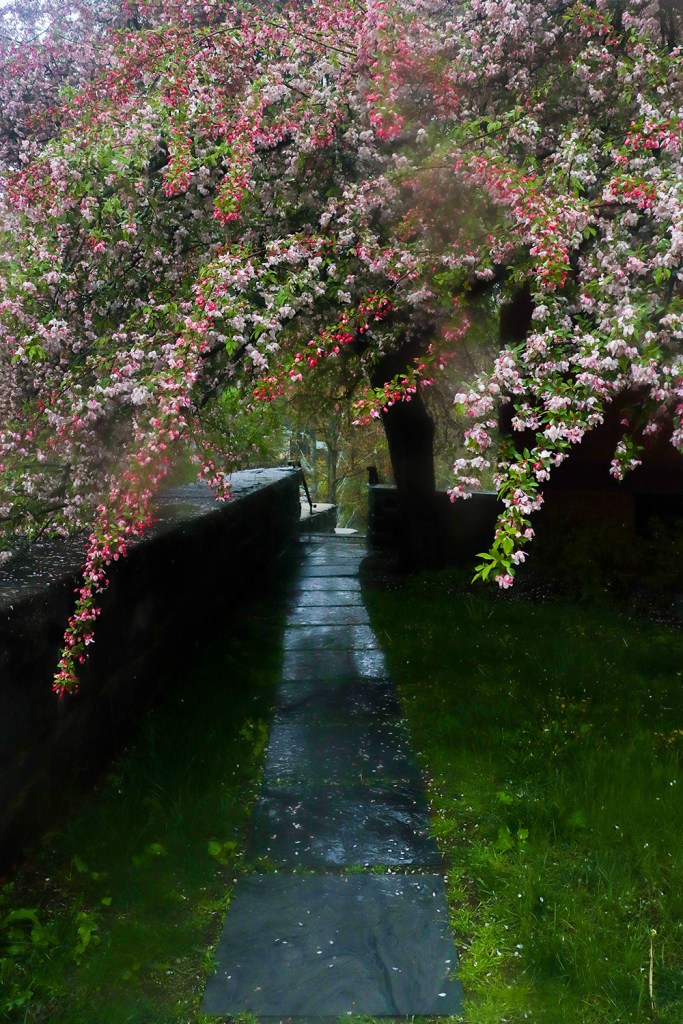
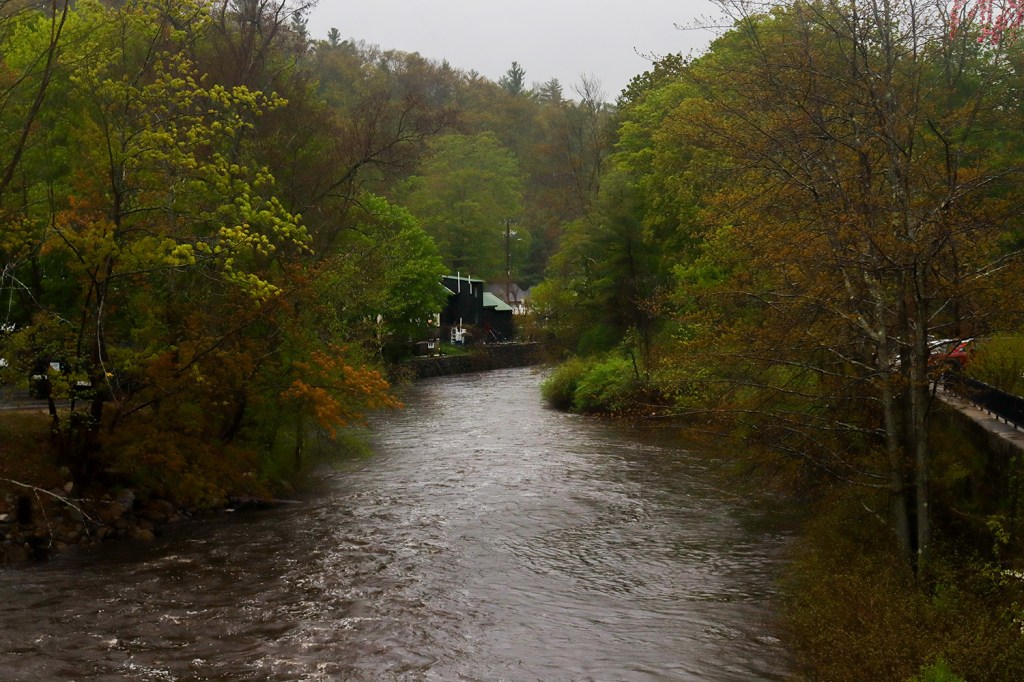
The town was pretty busy when I got there around 5pm or so, presumably from the ending workday and slowly clearing skies. But what caught my attention the most was the architecture present along its streets – Peterborough has a ton of really cool buildings. Not least of which was the library, which sits directly on Route 123 and was surrounded by color from spring blooms. The paths around the building felt like a tiny botanical garden, and several outdoor reading tables sat beside an amazing view of the river.
Route 123, which at this point is running alongside US-202 for a short time, is the only numbered route to pass through Peterborough’s downtown. Because of that, this beautiful historic district is easily missed for most traveling through Monadnock on the more regularly-used NH Route 101. If you’re traveling to Keene or any points in southern Vermont, I seriously recommend stopping by here for a few minutes to take in the local flavor.
New Ipswich
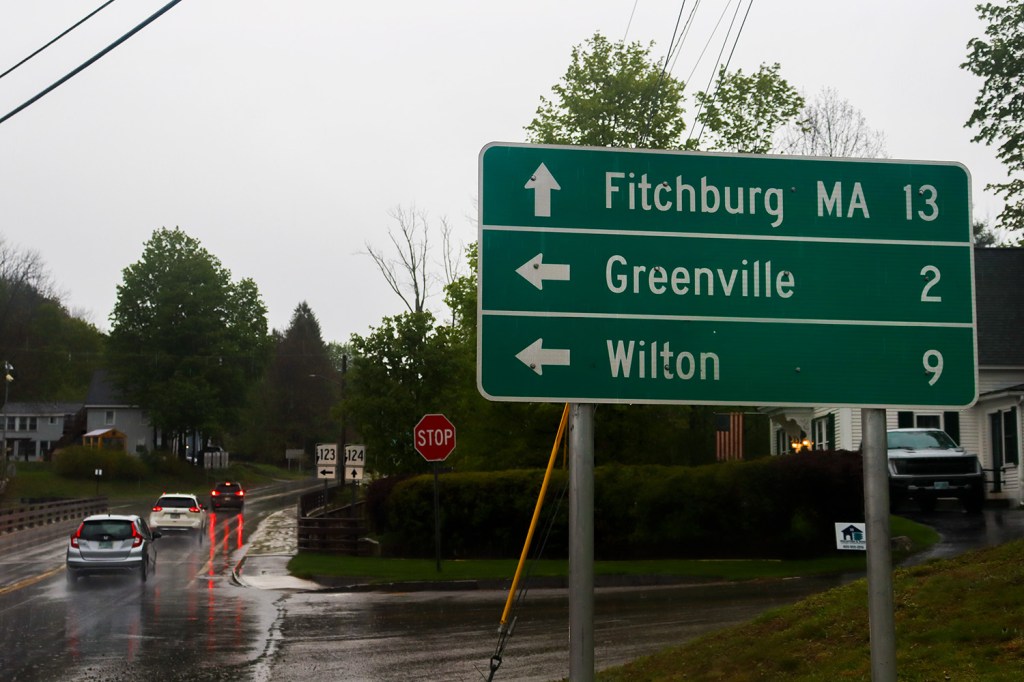
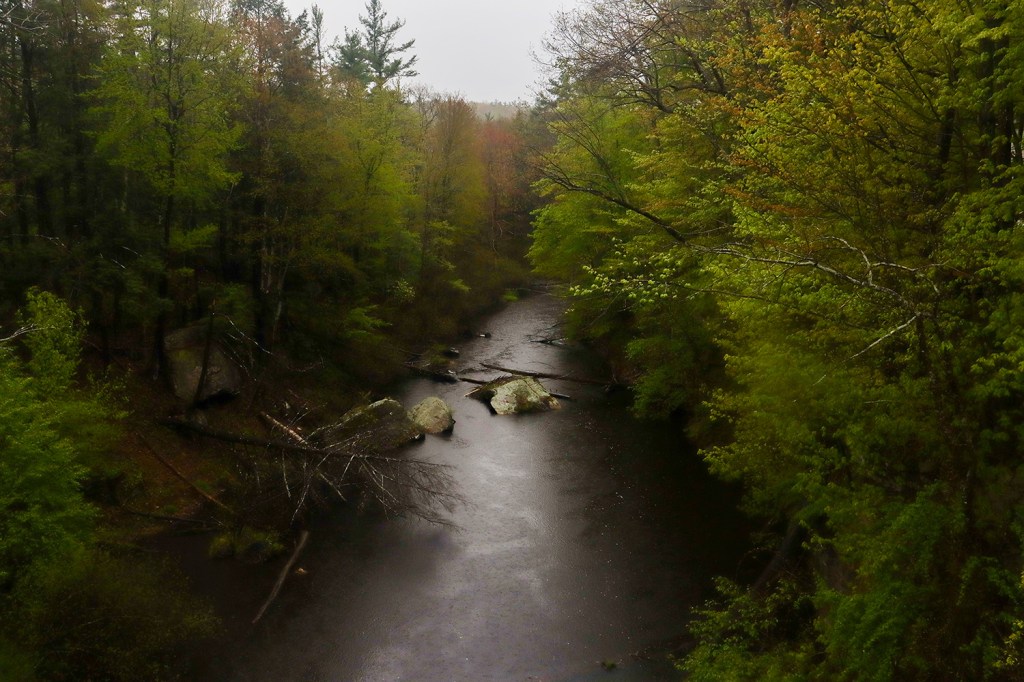
After leaving Peterborough, traveling across the town of Sharon and meeting up with yet another river, this time the Souhegan, the signs that we’re closing in on the end of the route start to show (literally).
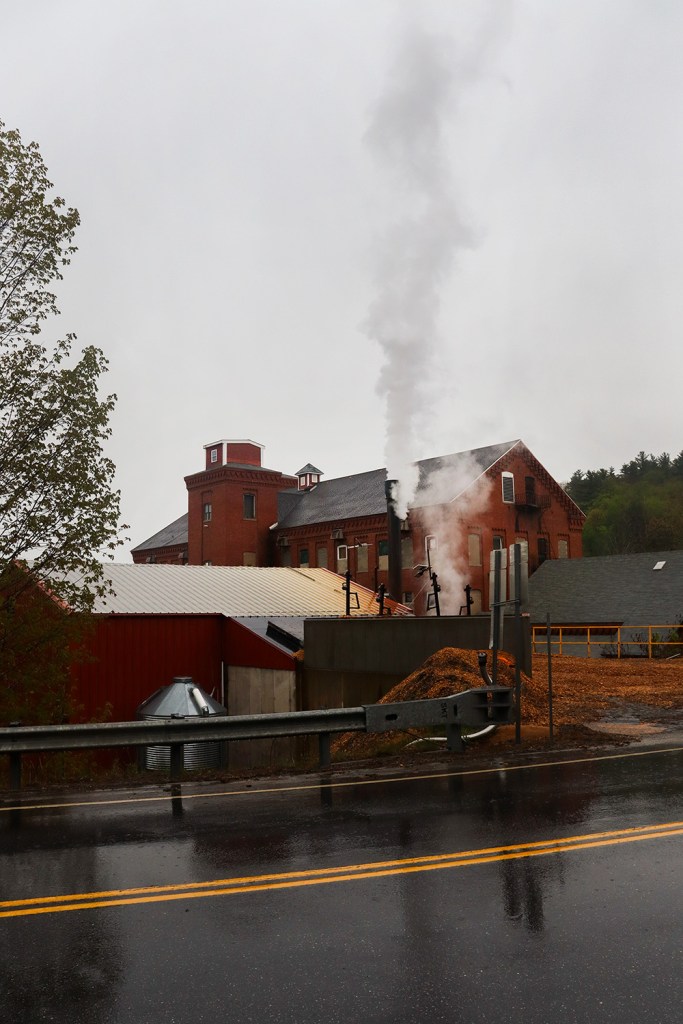
New Ipswich is not only the first town on the Mass border that our road passes through, but also another mill town. The very first textile mill in the country was right here, and the neatest part is, it’s still active today right on Route 123!
The building, known as Warwick Mills, was rebuilt twice in the 19th century due to a series of fires, but has been running smoothly and continuously now since 1864. Historic operating mills are harder and harder to find each year in New England, for a multitude of economic and sociopolitical reasons that are beyond the scope of this article, so seeing the very first one still in active use is an incredibly cool sight to behold.
From here, Route 123 cuts northeast for a few more miles before hitting Massachusetts.
Greenville
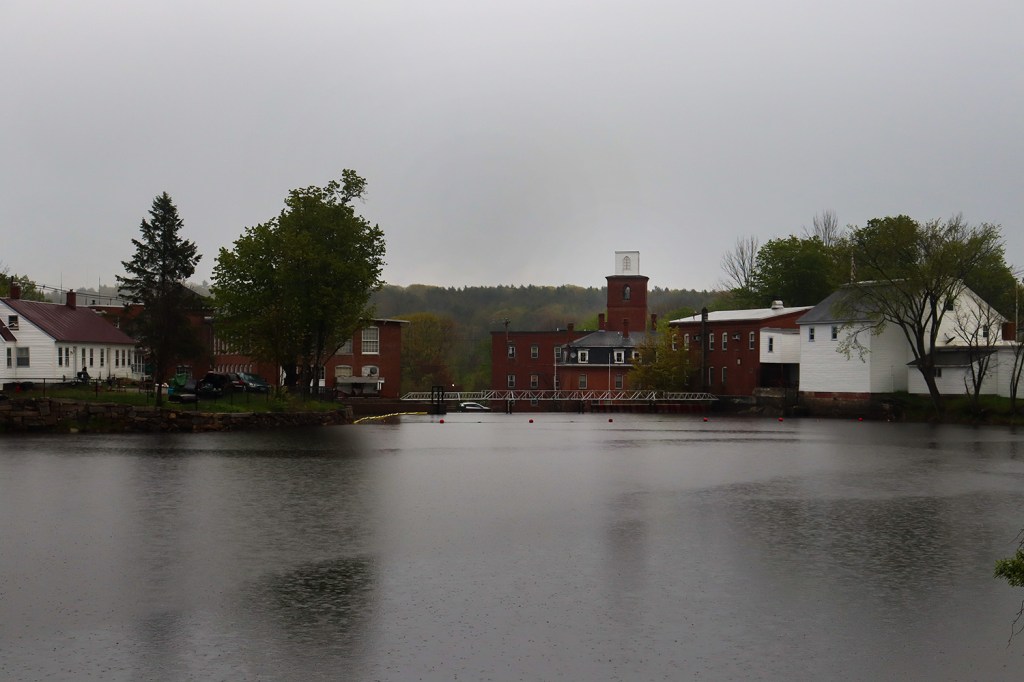
That northeast turn is mostly to connect Route 123 up to the town of Greenville, another old lakeside mill town on the banks of the Souhegan River.
This is actually the second time One Road has been in Greenville, as this town shares its name with the small western Maine town on the southern edge of Moosehead Lake we visited on ME Route 6. This town feels even smaller than that, and definitely lacks the more tourist-y elements of its Maine counterpart. But this rural small-town vibe represents a final look at a lot of the notes seen throughout Monadnock – it’s a beautiful, historic region that’s not built up like its more popular neighbors in the north and east. But that doesn’t mean it lacks scenery in any way, and even on a stormy day like this, there was a lot to see that the mountains or sea just can’t offer.
Mason
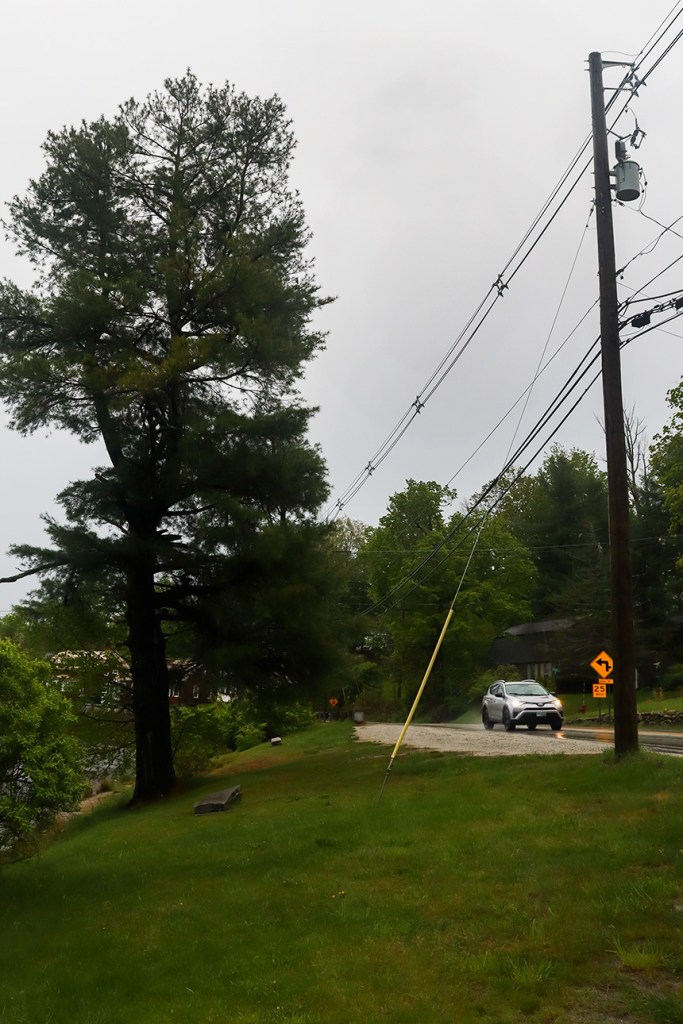
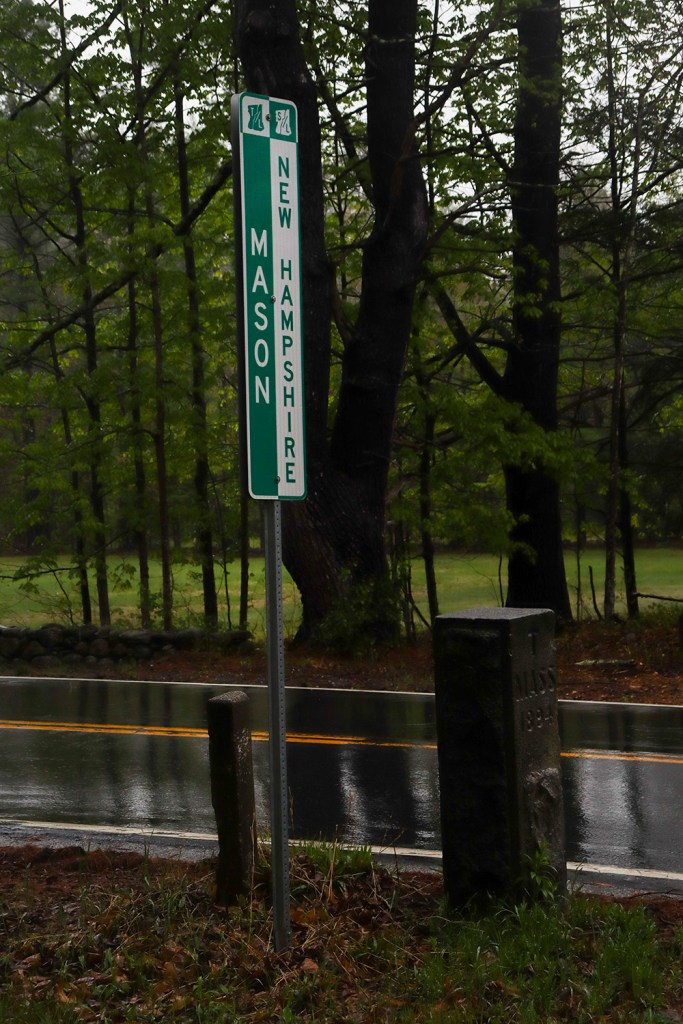
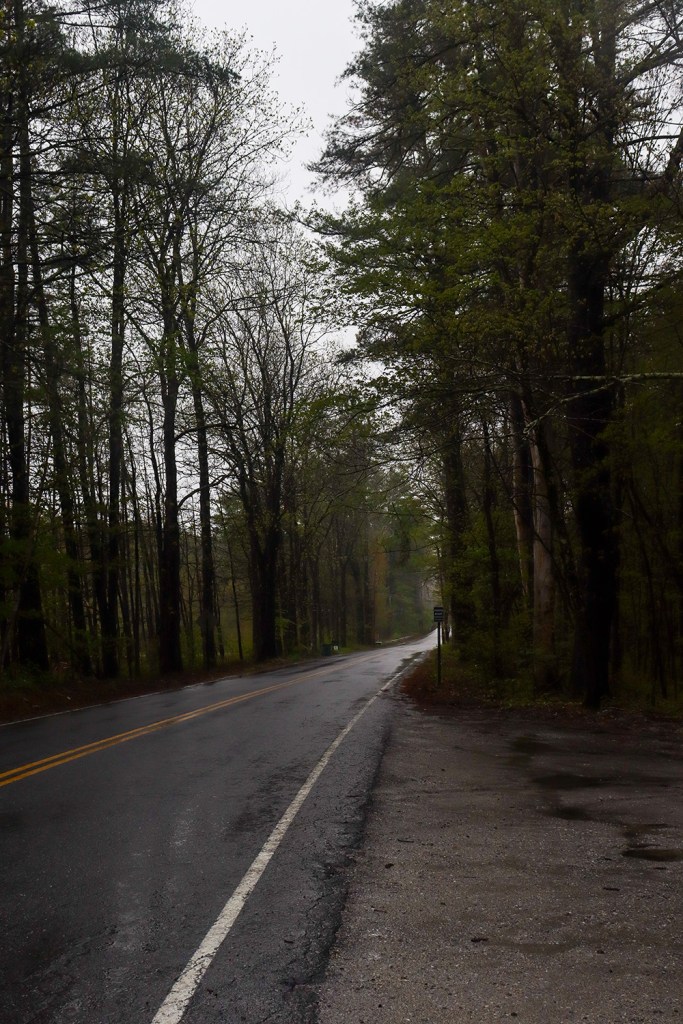
And after just over 60 miles of driving, NH Route 123 ends with a small stone post designating the border of Massachusetts between Mason and Townsend.
With that, Route 123 has taken me across three states, through four counties, and around the entire length of New Hampshire’s Monadnock Region. This was my very first time visiting this part of New Hampshire, and I can’t recommend it enough if you’re staying around the borders of New Hampshire, Vermont, and Massachusetts.
Someday, perhaps for another One Road, I do hope to come back in clear weather (or even during the winter) to explore more of the beauty and history this area has to offer.
In our next post, we’ll be heading back to One Road roots with a trip up to Downeast Maine, and take a look at what is perhaps the least-traveled region of the state’s scenic coastline.
 One Road
Leave a comment